
Embarking on a home renovation journey is an exciting prospect, but without a clear strategy, costs can spiral out of control. Many homeowners believe that achieving a high-end look requires an unlimited bank account, yet some of the most successful transformations are the result of careful planning and resourcefulness. Budget-conscious remodeling is about making intentional choices that balance aesthetic desires with functional necessities, ensuring that every dollar spent contributes to the overall value of the property. By understanding where to save and where to invest, you can revitalize your living space without compromising your financial security. A successful project begins with a deep dive into the current state of the home, identifying hidden issues before they become expensive surprises during the construction phase.
Setting a Realistic Financial Plan

Establishing a solid financial foundation is the most critical step in any successful budget remodel. Without a comprehensive budget that includes a contingency fund for unexpected issues, projects often stall or force homeowners to make undesirable compromises. A general financial plan should account for material costs, labor, and permit fees while strictly prioritizing “must-have” repairs over “nice-to-have” cosmetic upgrades. By being honest about what you can afford from the start, you can manage your expectations and ensure that the project reaches completion without causing undue stress or debt.
To build an accurate budget, it is essential to understand the true condition of the structure you are working with. Investing in professional home inspection services before swinging a hammer can save thousands of dollars by uncovering hidden electrical faults, plumbing leaks, or foundational shifts that are not visible to the naked eye. These experts provide a detailed report that helps you allocate your funds toward critical repairs first, ensuring your budget is spent on maintaining the integrity of the home rather than just covering up problems. Knowing the baseline health of your property allows you to plan with confidence and avoid the mid-project “discovery” costs that often derail budget renovations.
Prioritizing Projects With High Return
When working with limited funds, it is vital to focus on projects that offer the greatest impact on both your daily life and your home’s resale value. Not all renovations are created equal; some may look beautiful but offer very little in terms of equity growth, while others significantly broaden the appeal of the property to future buyers. Generally, kitchen and bathroom updates or increasing the usable square footage provide the best return on investment. By focusing your capital on these high-traffic areas, you ensure that your remodeling efforts are working as hard as possible to build long-term wealth.
If your budget allows for a significant structural change, one of the most effective ways to add value is to increase the footprint of the home to accommodate a growing family or a home office. Consulting with a reputable home addition builder can help you determine the most cost-effective way to add space, whether it is a bump-out or a conversion of existing unused areas. These professionals can provide insights into which types of additions are currently in high demand in your local market, ensuring your investment is well-placed. Adding a bedroom or a sunroom not only solves immediate space issues but also positions your home in a higher price bracket for the future.
Sourcing Cost-Effective Building Materials
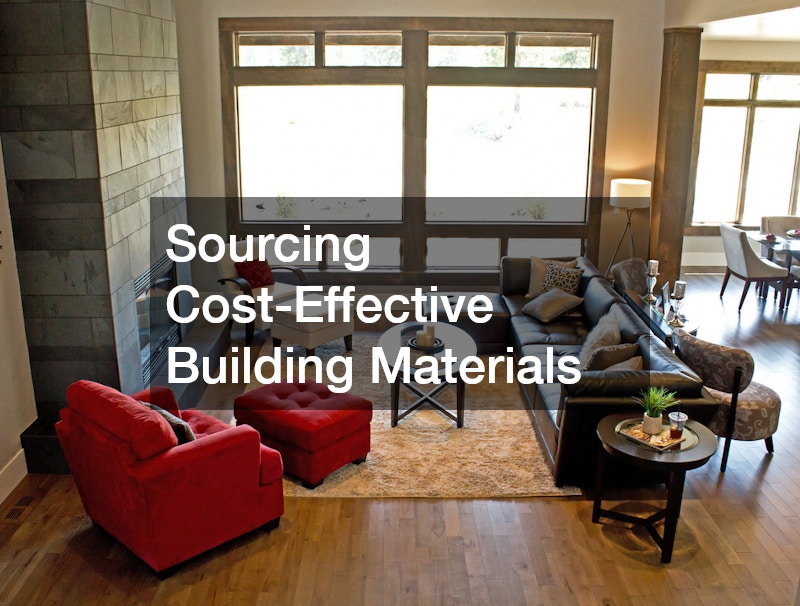
Smart material sourcing is the hallmark of a successful budget renovation, as the cost of raw goods can fluctuate wildly depending on where and when you buy. Rather than selecting the most expensive name brands, homeowners can achieve a similar aesthetic by choosing mid-range materials that offer durability without the premium price tag. Shopping at surplus outlets, considering reclaimed wood, or even timing purchases during seasonal sales can drastically reduce the total project cost. By focusing on the quality of the finish rather than the prestige of the manufacturer, you can create a high-end atmosphere while keeping your expenses well within a manageable range.
One area where you should never sacrifice quality for price is the protection of your home’s exterior shell. When you are roof installing as part of a larger remodel, it is wise to compare different shingle grades to find a balance between upfront cost and long-term warranty protection. Opting for architectural shingles over basic three-tab versions can provide better wind resistance and a more sophisticated look for only a marginal increase in material cost. By selecting materials that offer a blend of affordability and longevity, you ensure that your budget is spent on a product that will protect your interior investments for decades to come.
Utilizing Professional Design Consultations
Many homeowners avoid hiring designers because of the associated fees, but professional advice can actually save a significant amount of money in the long run. A design expert can help you avoid costly mistakes, such as choosing the wrong color palette or purchasing furniture that does not fit the scale of the room. These professionals have access to trade discounts and specialized knowledge that can help you achieve a cohesive look on a shoestring budget. By investing a small amount in a consultation at the start, you gain a clear roadmap that prevents the aimless spending and rework that often plagues DIY projects.
A professional perspective is particularly valuable when it comes to selecting the right finishes to tie a room together. Many reputable painting companies offer color consultation services that go far beyond just picking a shade from a swatch. They can analyze how natural light interacts with different pigments and suggest finishes that hide wall imperfections, reducing the need for extensive prep work. This expertise ensures that your final results look polished and intentional rather than amateur. Utilizing these specialized services allows you to achieve a high-impact transformation with just a few gallons of high-quality paint, proving that you do not need an expensive overhaul to make a major difference.
Minimizing Structural Changes to Save
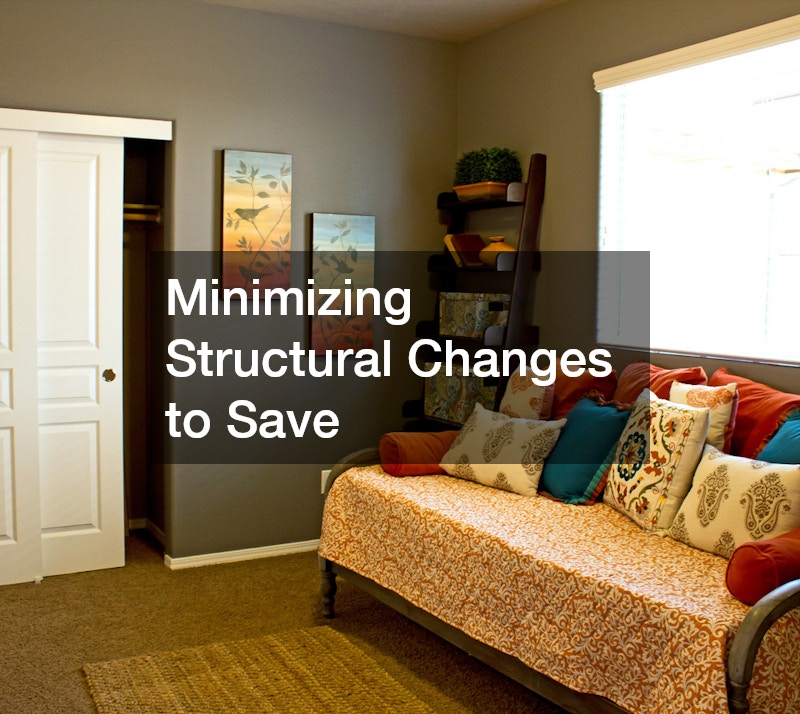
One of the fastest ways to exhaust a renovation budget is to move load-bearing walls, plumbing lines, or electrical panels. These structural shifts require expensive engineering, permit fees, and specialized labor that often provide very little visual impact for the high cost involved. To keep a remodel affordable, it is almost always better to work within the existing footprint of the room. By keeping the fixtures in their original locations and focusing on cosmetic updates like new cabinetry, lighting, and hardware, you can achieve a fresh, modern look without the high-stakes complications of major construction.
This principle of “fixing what you have” is especially true for the more technical aspects of home maintenance that overlap with remodeling. For example, if you notice a leak during a renovation, it is often more cost-effective to seek targeted roofing repair services rather than jumping straight to a total replacement. Addressing localized issues like damaged flashing or worn-out shingles can extend the life of your roof and protect your new interior work without the massive bill of a full tear-off. Staying focused on precise, necessary repairs allows you to keep your structural integrity intact while freeing up more of your budget for the aesthetic upgrades you truly want to see.
Managing Timeline Expectations and Delays
Time is often the most overlooked variable in a remodeling budget, yet delays can lead to mounting costs and significant lifestyle disruptions. When a project stretches beyond its estimated completion date, homeowners may face additional storage fees, extended rental costs, or higher interest on construction loans. Establishing a realistic timeline requires a thorough understanding of local permit processing times, material lead dates, and the seasonal availability of labor. By building a buffer into the schedule and maintaining open communication with all parties involved, you can navigate the inevitable hiccups of renovation without allowing them to deplete your financial reserves.
Coordination is especially vital when dealing with specialized exterior work that is highly dependent on weather conditions. Working with local roofing contractors ensures that your project is handled by professionals who understand the regional climate and can accurately predict the best windows for installation. These local experts are often more agile in their scheduling than national chains, allowing them to capitalize on clear weather to get the job done quickly. By choosing a team with a strong local presence, you reduce the risk of your home being left exposed to the elements due to a scheduling conflict or a lack of regional logistical knowledge.
Enhancing Aesthetics With Surface Refinishes

Replacing every worn surface in a home is rarely feasible on a tight budget, but refinishing existing materials can produce a dramatic transformation for a fraction of the price. Whether it is painting kitchen cabinets, reglazing a bathtub, or sanding down old hardwood floors, these surface-level interventions breathe new life into an aged space. Refinishing allows you to preserve high-quality vintage materials while updating their appearance to match contemporary trends. This sustainable approach not only saves money on materials and disposal fees but also allows you to allocate your funds toward high-impact items that cannot be easily refurbished.
In areas like garages, basements, or laundry rooms, traditional flooring options can be expensive and difficult to maintain. Applying a high-performance epoxy coating is an excellent way to create a durable, showroom-quality finish over an existing concrete slab without the cost of tile or laminate. This resilient surface is resistant to stains, impacts, and chemicals, making it ideal for multi-purpose spaces that see heavy use. By choosing a decorative finish that covers imperfections in the original concrete, you can achieve a modern, industrial look that adds functional value to the home while keeping your flooring budget firmly under control.
Incorporating Energy Efficient System Upgrades
Investing in energy efficiency is a unique category of remodeling where the initial expenditure eventually pays for itself through reduced monthly utility bills. Budget-conscious homeowners should look for high-ROI upgrades such as improved attic insulation, smart thermostats, and LED lighting transitions. These improvements may not always be the most visible part of a renovation, but they contribute significantly to the long-term affordability and comfort of the home. Furthermore, many energy-efficient upgrades qualify for government tax credits or local utility rebates, providing an immediate financial cushion that helps offset the upfront costs of the project.
A common source of energy loss and potential water damage is an aging or improperly maintained roof system. Before committing to a full replacement, consider if a targeted roof repair can resolve specific issues like localized leaks or damaged shingles that are affecting your home’s thermal retention. Fixing these minor faults prevents moisture from compromising your new insulation and ensures that your heating and cooling systems are not working overtime to compensate for drafts. By integrating these essential maintenance tasks into your remodeling plan, you protect your interior finishes from the elements and secure a more efficient, cost-effective household for the future.
Evaluating DIY Versus Professional Labor
One of the most difficult decisions in a budget remodel is determining which tasks you can realistically handle yourself and which require expert intervention. While doing the work on your own can eliminate labor costs, an amateur mistake in a critical area like plumbing or structural framing can lead to expenses that far exceed the original quote of a pro. A successful budget strategy involves identifying “sweat equity” opportunities—such as demolition, painting, or landscaping—while reserving technical trades for those with the proper licensing and tools. Balancing your own time and skill level against the precision of a professional ensures the project remains both affordable and safe.
The installation of drainage and exterior protection systems is a prime example of a task that often looks simpler than it is. Proper gutter installations require precise pitch calculations and secure mounting to ensure that rainwater is directed away from the foundation rather than pooling against it. If gutters are hung incorrectly by a DIYer, the resulting basement flooding or siding rot can cause thousands of dollars in structural damage. By hiring a professional for these specific exterior tasks, you protect your home’s integrity and avoid the costly rework that often follows an unsuccessful self-installation attempt.
Safeguarding Investments With Proper Maintenance
A budget remodel only remains a good deal if the new finishes and systems are protected from premature wear and environmental threats. Neglecting the routine upkeep of a renovated space is a common mistake that leads to the rapid depreciation of your hard-earned investment. Establishing a seasonal maintenance checklist—including cleaning filters, inspecting seals, and clearing debris from the roof—prevents minor issues from evolving into major repairs. By being proactive, you ensure that the materials you carefully sourced and installed continue to look and function as they did on day one, maximizing the longevity of every dollar spent.
One of the most silent yet destructive threats to a newly remodeled home is the presence of wood-destroying organisms or common household intruders. Implementing consistent residential pest control is a vital part of protecting your structural investment, especially if you have recently opened up walls or added new wood framing. Termites or rodents can quickly cause catastrophic damage to new cabinetry and structural members if they are allowed to go unchecked. Scheduling regular inspections and treatments ensures that your home remains a clean, safe, and solid environment, preventing the need for expensive structural repairs down the line.
Remodeling on a budget is an exercise in discipline, creativity, and strategic planning. It begins with the clarity provided by home inspection services and ends with the long-term protection of residential pest control. By prioritizing high-impact projects with a home addition builder or focusing on aesthetic refreshes with painting companies, you can achieve a total transformation without the high-end price tag. Protecting your home from the top down—whether through roofing repair services, a targeted roof repair, or professional local roofing contractors—is essential for preserving the work done inside.