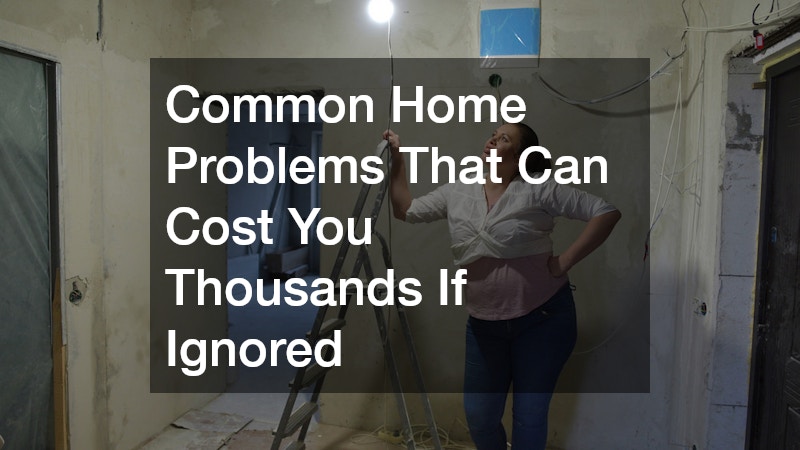
Owning a home is a long-term investment, but it also requires consistent attention. Many costly repairs begin as minor issues that seem harmless at first—until they escalate into structural damage, system failures, or safety hazards.
What makes these problems so expensive is not just the repair itself, but the secondary damage that spreads when action is delayed. By understanding the early warning signs and responding quickly, homeowners can prevent small concerns from becoming financial burdens.
Watch for Early Signs of Roof Damage Before Water Intrusion Spreads
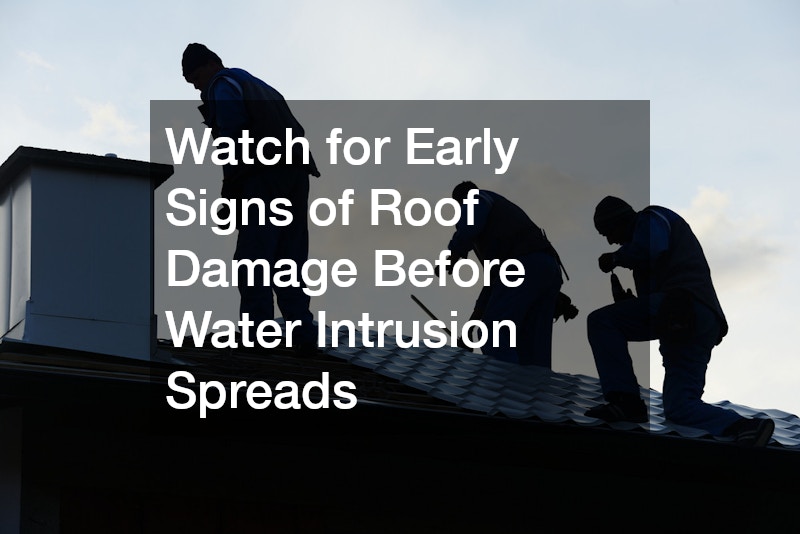
Small roofing issues often go unnoticed until water stains appear on ceilings or walls, but by that point, moisture may have already penetrated multiple layers of your roofing system. Missing shingles, curling edges, cracked flashing, and loose seals around vents or chimneys allow rainwater to seep beneath protective barriers. Once water reaches the underlayment, it can saturate insulation and begin deteriorating wooden decking and support beams. Contacting local roofing services at the first sign of exterior wear can prevent hidden damage from spreading into attic spaces and interior walls. What begins as a simple shingle replacement can quickly escalate into structural rot, ceiling repairs, or mold remediation if left unchecked.
Water intrusion spreads silently, often traveling along rafters or pooling in low areas before visible damage appears inside the home. Damp insulation loses its effectiveness, increasing energy costs while creating an environment conducive to mold growth. Over time, repeated exposure to moisture weakens framing components and may even compromise the structural integrity of the roof. The longer leaks go unaddressed, the more extensive and expensive the repairs become—especially when attic ventilation systems are affected or entire sections of decking require replacement. Early detection and prompt repair are essential to protecting both your home’s structure and your long-term investment.
Preventative steps to take:
- Inspect shingles after major storms
- Check attic spaces for damp insulation
- Look for ceiling discoloration
- Clean gutters twice a year
- Schedule annual roof inspections
Address Slow Drains Before They Turn Into Major Plumbing Failures
A slow sink or shower drain may seem like a minor inconvenience, but persistent clogs often indicate buildup deep within the plumbing system. Over time, soap scum, grease, hair, mineral deposits, and debris accumulate along pipe walls, gradually narrowing the passageway for water to flow. What starts as a slight delay in drainage can evolve into a complete blockage that affects multiple fixtures in your home. Professional drain cleaning can remove hidden obstructions safely and thoroughly, restoring proper flow before they lead to pipe corrosion, sewage backups, or water damage behind cabinets and inside walls.
Ignoring recurring clogs increases pressure within pipes, especially when water has nowhere to go. That pressure can weaken joints, crack aging pipes, or even cause sudden bursts that flood surrounding areas. Moisture trapped behind walls or under flooring creates the perfect environment for mold growth and structural deterioration, multiplying repair costs quickly. Addressing drainage problems early through routine maintenance is far more affordable than dealing with emergency plumbing repairs, water extraction, drywall replacement, and potential mold remediation.
Ways to prevent plumbing emergencies:
- Avoid pouring grease down drains
- Use drain strainers in sinks and tubs
- Flush drains monthly with hot water
- Watch for foul odors or gurgling sounds
- Call a professional if clogs keep returning
Prevent Sewage Backups by Responding to Warning Signs Quickly
Your septic system plays a critical role in waste management, yet problems often develop underground without obvious signs. Pooling water, slow toilets, or strong odors may indicate the need for septic repairs before system failure contaminates your yard or home.
When septic systems fail, repairs often involve excavation and landscaping replacement. Acting early can prevent costly damage to drain fields and avoid interior sewage backups.
Protect your septic system by:
- Pumping the tank on a regular schedule
- Conserving water during heavy usage
- Avoiding non-biodegradable products
- Keeping heavy vehicles off the drain field
- Scheduling periodic inspections
Reduce Storm Damage Risk by Managing Overhanging Branches
Overgrown tree limbs can scrape roofing materials and damage siding during windy conditions. Even light, repeated contact can gradually wear down shingles, loosen flashing, and strip protective granules from the roof’s surface. Branches that hang too close can also clog gutters with leaves and debris, increasing the risk of water overflow and fascia damage. Routine tree trimming reduces excess weight in the canopy, improves clearance around the home, and minimizes the chance that limbs will rub against exterior surfaces during everyday wind gusts.
Unmaintained trees are especially dangerous during storms, when saturated soil and strong winds place additional stress on already heavy branches. Weak or diseased limbs can snap without warning, crashing onto roofs, fences, vehicles, or power lines. In severe cases, falling branches can puncture roofing systems or break windows, leading to costly structural and interior repairs. Proactive maintenance not only protects your roof and siding but also preserves the health and stability of your trees, safeguarding both your landscaping investment and your home’s structural integrity.
Smart tree care tips:
- Remove dead or weakened branches
- Maintain safe clearance from the roof
- Trim limbs near power lines
- Inspect trees seasonally
- Address disease or decay early
Remove Hazardous Trees Before They Threaten Structures
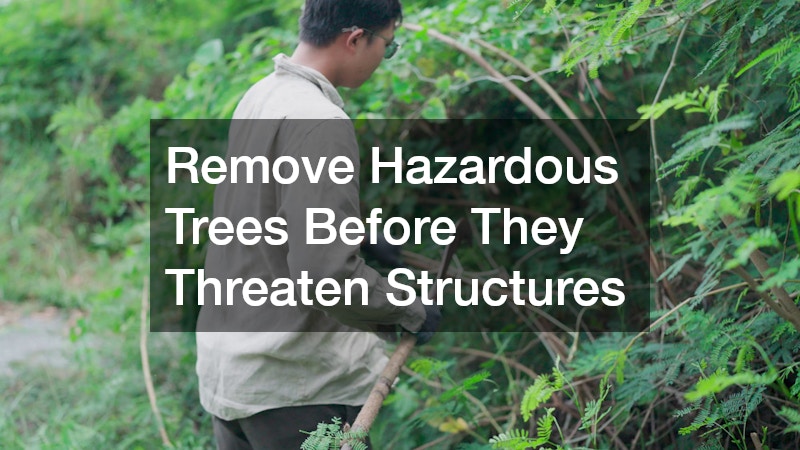
Leaning trunks, exposed roots, cracked bark, and hollow sections within the trunk often signal that a tree’s structural integrity has been compromised. Soil erosion, root decay, or internal rot can weaken stability over time, making the tree more vulnerable to collapse during high winds or heavy rain. Large trees positioned close to your home pose an even greater risk, as falling limbs—or the entire tree—can crush roofing systems, damage siding, destroy fencing, or crack driveways and foundations. Consulting tree removal services at the first sign of instability allows professionals to assess the risk and remove hazardous trees in a controlled, safe manner.
Waiting until after a storm to address a weakened tree often results in emergency calls, higher service rates, and extensive cleanup costs. Fallen trees can block access to your home, damage neighboring properties, and require immediate debris removal to prevent further hazards. In addition to structural repairs, you may face landscaping restoration and potential insurance complications. Preventative removal, completed under stable conditions, is typically far more affordable and far less disruptive than dealing with the aftermath of unexpected storm damage.
Watch for these warning signs:
- Noticeable leaning after storms
- Cracks in the trunk
- Fungal growth near the base
- Soil erosion around roots
- Large dead sections in the canopy
Schedule Seasonal System Checkups to Avoid Heating and Cooling Breakdowns
Heating and cooling systems work hardest during extreme temperatures, when they run for longer cycles and operate under higher strain. If you notice rising energy bills, unusual rattling or grinding noises, short cycling, or uneven airflow between rooms, these may be early warning signs of mechanical stress or restricted components. Addressing these concerns promptly by contacting HVAC contractors can prevent small issues—such as dirty coils, worn belts, or failing capacitors—from escalating into serious mechanical breakdowns that leave your home without climate control when you need it most.
Neglected maintenance can result in compressor damage, refrigerant leaks, frozen evaporator coils, or electrical failures that require expensive repairs or even full system replacement. When components are forced to work harder due to dirt buildup or lack of lubrication, overall efficiency drops and utility costs climb steadily. Routine seasonal checkups help identify worn parts before they fail, ensure proper airflow and refrigerant levels, and keep the system calibrated for optimal performance. Consistent maintenance not only extends equipment lifespan but also improves indoor comfort and reduces long-term operating expenses.
Reduce the risk of breakdowns by:
- Replacing filters regularly
- Clearing debris from outdoor units
- Scheduling biannual maintenance
- Monitoring thermostat settings
- Addressing unusual noises promptly
Improve Indoor Air Quality to Prevent Efficiency Loss and Repairs
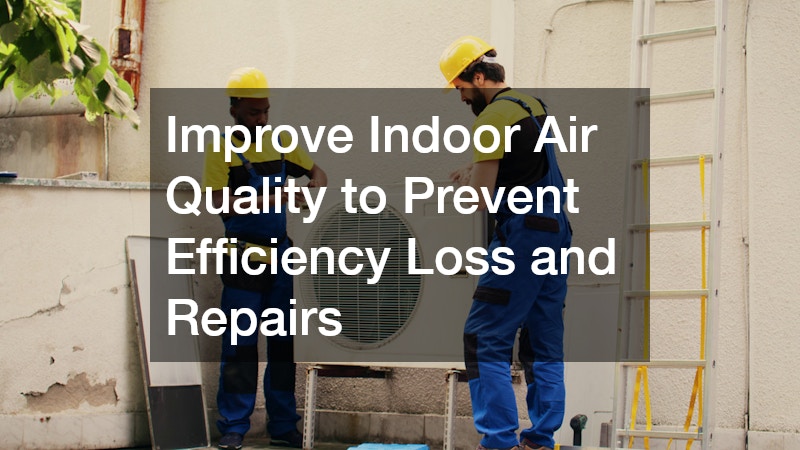
Dust buildup inside ventilation systems can restrict airflow and force equipment to work harder than necessary to maintain comfortable temperatures. Over time, debris such as pet dander, construction dust, pollen, and even small particles of insulation can accumulate along the interior walls of ductwork. This buildup narrows air pathways, reduces overall system efficiency, and increases energy consumption. Scheduling a duct cleaning service helps remove these obstructions, allowing air to circulate freely and reducing unnecessary strain on heating and cooling components.
Clogged ductwork can also negatively impact indoor air quality, circulating contaminants throughout your living space each time the system runs. Excess dust on furniture, persistent musty odors, and worsening allergy or asthma symptoms may all indicate that debris is being redistributed through the vents. If left unaddressed, restricted airflow can contribute to overheating system parts and premature mechanical wear. Tackling buildup early not only improves comfort and air quality but also supports long-term system performance and durability.
Signs your ductwork needs attention:
- Uneven airflow in rooms
- Excess dust after cleaning
- Musty odors from vents
- Allergy flare-ups indoors
- Reduced system efficiency
Protect Outdoor Living Spaces from Structural Deterioration
Decks endure constant exposure to moisture, sunlight, temperature fluctuations, and foot traffic, all of which gradually break down materials over time. UV rays can dry and crack wood, while rain and humidity seep into small gaps, weakening boards and corroding fasteners. If you notice soft spots underfoot, wobbly railings, loose stairs, or visible rust on hardware, these are early indicators of structural wear. Consulting a deck builder at the first sign of trouble allows you to reinforce compromised areas before they pose safety hazards or require extensive reconstruction.
Water intrusion and rot often begin beneath the surface, especially where deck boards attach to support joists or where the ledger board connects to the home. Because this damage is hidden from view, it can spread quietly until the structure becomes unstable. Small repairs—such as replacing a few boards, resecuring hardware, or sealing vulnerable joints—are far more affordable than tearing out and rebuilding an entire deck. Addressing issues early not only preserves your outdoor living space but also protects the structural integrity of your home.
Maintain your deck by:
- Sealing wood annually
- Inspecting support posts
- Tightening loose hardware
- Replacing damaged boards
- Ensuring proper drainage
Prevent Infestations Before Structural Damage Occurs
Termites, rodents, and carpenter ants can silently damage wood framing, insulation, and even drywall without immediate visible signs. Termites consume structural wood from the inside out, leaving surfaces intact while weakening support beams and floor joists. Rodents chew through insulation and gnaw on wooden studs, while carpenter ants tunnel through damp wood to build nests. At the first indication of droppings, hollow-sounding wood, mud tubes, or scratching noises behind walls, contacting a pest control service can stop the infestation before it spreads throughout the structure.
Pests often multiply quickly once inside walls, attics, or crawl spaces, creating colonies that expand beyond a single area of the home. Rodents, in particular, pose additional risks by chewing on electrical wiring, which can increase the likelihood of short circuits or fire hazards. The longer an infestation remains untreated, the more extensive and costly the repairs become, often requiring wood replacement, insulation removal, and sanitation services. Early intervention not only limits structural damage but also protects your home’s safety, air quality, and overall value.
Lower your pest risk with these steps:
- Seal foundation cracks
- Store firewood away from siding
- Eliminate standing water
- Keep landscaping trimmed
- Schedule routine inspections
Monitor Energy Systems to Avoid Long-Term Financial Loss
Solar panel systems require occasional inspection to maintain optimal output and consistent performance. Dust, pollen, leaves, and bird droppings can accumulate on panel surfaces, gradually reducing their ability to absorb sunlight efficiently. In addition, nearby tree growth or new structural shading can limit exposure without homeowners immediately realizing it. Monitoring residential solar performance through system apps or inverter readouts helps identify dips in production early, allowing you to address cleaning needs, shading concerns, or minor technical issues before they affect long-term savings.
A drop in production can go unnoticed for months, especially if utility bills fluctuate seasonally. Small inefficiencies may not seem significant at first, but over time they can reduce your overall return on investment and extend your system’s payback period. Routine checks—both visual inspections and professional evaluations—ensure wiring remains secure, mounting systems stay stable, and inverters function properly. Consistent maintenance preserves system efficiency, maximizes energy output, and supports the long-term reliability of your solar investment.
Protect your energy investment by:
- Monitoring monthly output reports
- Cleaning panels as recommended
- Trimming nearby vegetation
- Checking for inverter alerts
- Scheduling periodic inspections
The most expensive home repairs rarely happen overnight. They develop gradually, often beginning as small, manageable concerns that homeowners overlook. By staying attentive to warning signs and committing to preventative maintenance, you can dramatically reduce the risk of major financial setbacks.
Consistent inspections, timely repairs, and professional guidance when needed will protect your home’s structure, systems, and long-term value. Taking action early not only saves money—it preserves comfort, safety, and peace of mind for years to come.