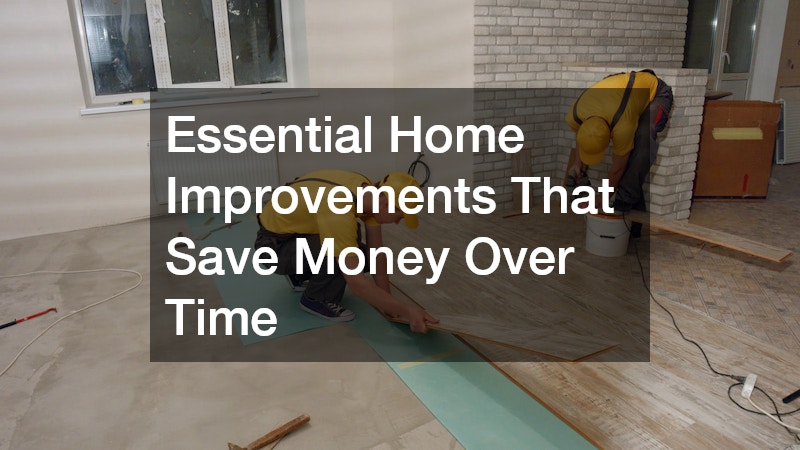
Home improvements are often seen as costly endeavors, but when approached strategically, they can be one of the most effective ways to save money over time. By prioritizing upgrades that increase efficiency, durability, and functionality, homeowners can reduce utility costs, prevent expensive emergencies, and increase long-term property value. The key is to focus on projects that address the areas of the home that have the greatest impact on energy use, structural integrity, and daily maintenance.
From system maintenance to targeted renovations, each recommendation is designed to help homeowners make cost-conscious decisions that protect their investment and improve comfort.
Maximize Efficiency With Preventive System Maintenance
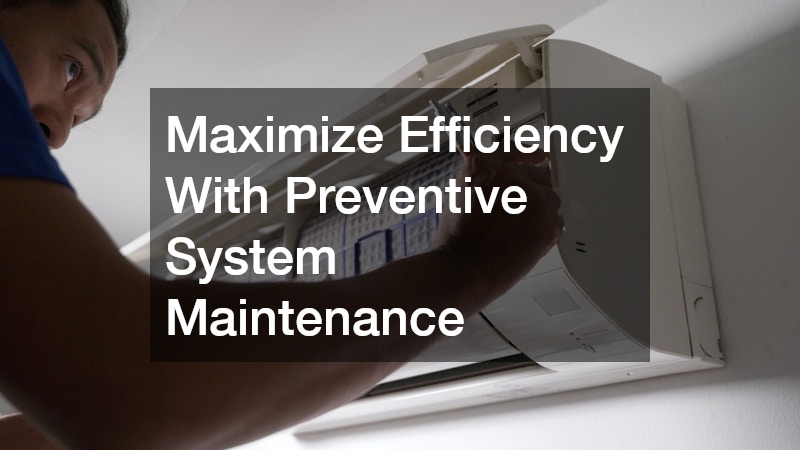
Regular maintenance is one of the most reliable ways to save money on home systems, as it addresses small issues before they become costly emergencies. By performing routine inspections and upkeep, homeowners can ensure that appliances and systems operate at peak efficiency, reducing wear and tear and extending their overall lifespan. Preventive maintenance also helps identify inefficiencies, such as leaks, blockages, or worn components, that quietly increase energy use and utility bills if left unchecked. Investing time and attention in regular care often costs far less than emergency repairs or early replacements.
One of the most critical systems to maintain is your heating and cooling setup. Scheduling routine checkups and professional tune-ups through an HVAC Service allows technicians to detect minor problems—like clogged filters, loose connections, or uneven airflow—before they escalate into major failures. Regular cleaning of coils, inspection of ductwork, and proper calibration ensure that the system delivers consistent temperatures while using less energy.
Additional tips for system maintenance include:
-
Replacing air filters regularly to improve airflow and reduce strain on equipment
-
Checking and sealing duct leaks to prevent energy loss
-
Inspecting insulation around heating and cooling components to maintain consistent performance
-
Scheduling seasonal inspections to address issues before they become emergencies
By taking a proactive approach, homeowners can keep their systems running smoothly while avoiding costly emergency repairs.
Improve Insulation and Comfort While Reducing Costs
Heating and cooling account for a significant portion of a household’s utility expenses, often making up nearly half of the energy used in a home. Even small inefficiencies in insulation or window performance can cause heating and cooling systems to work harder, leading to higher energy consumption and increased bills. Addressing these areas with targeted improvements can have a lasting impact, reducing monthly costs while improving indoor comfort throughout the year. Among these improvements, window replacement stands out as a cost-effective way to enhance energy efficiency. Older windows frequently allow heat to escape during colder months and let in unwanted warmth during hotter months, forcing HVAC systems to operate longer and less efficiently.
Modern, energy-efficient windows are designed to mitigate these issues. Options with double or triple panes, low-emissivity coatings, and high-quality weatherstripping significantly improve thermal performance, keeping heat in during the winter and out during the summer. Proper installation ensures a tight seal that prevents drafts and minimizes air leakage, which directly reduces the workload on your heating and cooling systems. In addition, these upgrades can improve natural light, reduce outside noise, and even increase the resale value of your home.
Practical window upgrade tips:
-
Seal gaps and cracks around existing windows before investing in replacement
-
Choose windows with ENERGY STAR ratings for optimal efficiency
-
Consider adding insulating window treatments, such as cellular shades, to further reduce energy loss
These improvements not only cut costs but also increase indoor comfort, making rooms more consistent in temperature and reducing drafts.
Protect Your Home With Durable Roofing Solutions
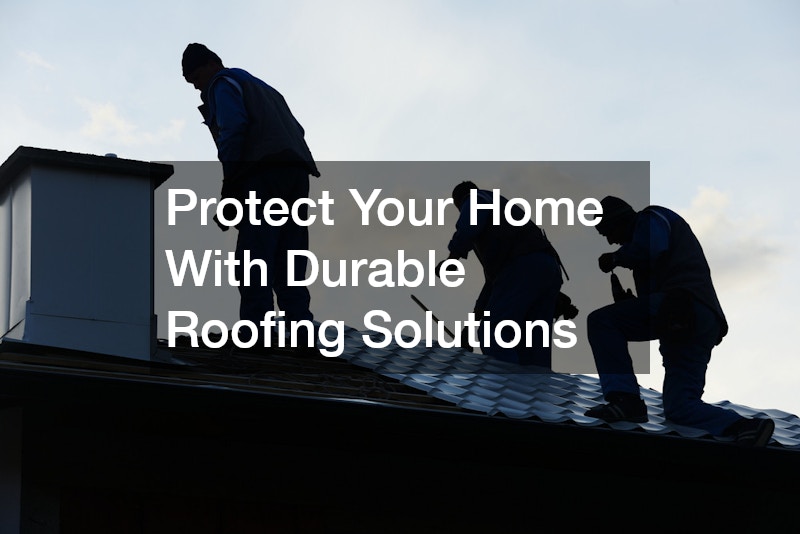
A durable, well-maintained roof is one of the most important investments a homeowner can make, as it protects the entire structure from water damage, energy loss, and expensive structural repairs. Neglecting roof maintenance can lead to leaks, mold growth, and damage to ceilings, walls, and insulation, all of which can be costly to fix. Working with a professional roofing company ensures that repairs or replacements are done correctly the first time, using high-quality materials and proper installation techniques. Experienced contractors can also provide guidance on the most durable and cost-effective options for your specific climate and home design, helping to prevent frequent repairs and prolong the roof’s lifespan.
High-quality roofing materials, such as metal, slate, or architectural shingles, are designed to withstand extreme weather conditions while requiring minimal ongoing maintenance. These materials provide long-term durability, reducing the need for repeated patching or replacement. Additionally, reflective coatings or lighter-colored materials can lower heat absorption, keeping your home cooler during hot months and reducing the energy required for air conditioning. Other strategies, such as proper attic ventilation and routine inspections, further enhance the roof’s efficiency and longevity.
Tips for protecting your roof:
-
Schedule annual inspections to catch small issues early
-
Keep gutters and downspouts clear to prevent water buildup
-
Trim overhanging tree branches that can damage shingles
Investing in long-lasting roofing solutions saves homeowners from repeated repair costs and reduces the likelihood of unexpected water damage.
Upgrade Surfaces for Durability and Easy Maintenance
Upgrading high-use surfaces can significantly reduce long-term home maintenance costs, especially in areas like kitchens and bathrooms where wear and tear is constant. Selecting materials that resist damage from moisture, stains, and daily use helps homeowners avoid frequent replacements, repairs, or refinishing, which can be both costly and disruptive. Granite countertop installations are an excellent example of a smart, long-term investment, providing a surface that is both highly functional and visually appealing. By choosing durable materials for surfaces that see heavy use, homeowners can maintain a polished look in their homes without constant upkeep, ultimately saving money and time over the years.
Granite is particularly well-suited for high-traffic kitchen environments because it withstands heat, scratches, and the effects of common household chemicals. Unlike softer countertops, granite requires minimal maintenance—simple cleaning with mild soap and water is usually sufficient—eliminating the need for harsh chemicals or frequent sealing. Its durability also means it is less likely to chip, crack, or stain, which reduces the risk of expensive repairs or replacements.
Other practical surface upgrade strategies:
-
Select materials that are easy to clean and resistant to daily wear
-
Opt for longer-lasting finishes on floors, counters, and high-traffic areas
-
Maintain surfaces with proper sealing to extend longevity
By investing in durable surfaces, homeowners can avoid the ongoing costs associated with frequent replacements or repairs.
Boost Safety and Efficiency With Electrical Upgrades
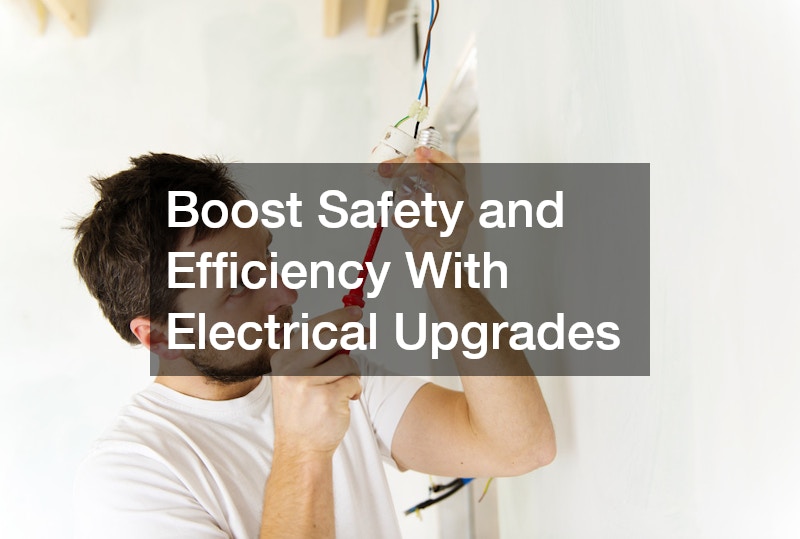
Older electrical systems can be both inefficient and potentially hazardous, especially in homes that have not had updates in decades. Aging wiring, outdated panels, and worn fixtures can lead to energy loss, frequent circuit trips, or even electrical fires. Upgrading these systems addresses both safety and efficiency concerns, preventing costly emergency repairs and reducing the risk of property damage. Local electricians can perform a thorough evaluation of your home’s electrical infrastructure, identifying problem areas, recommending targeted upgrades, and ensuring all work is completed safely and up to code. Professional guidance ensures that improvements are long-lasting, reliable, and tailored to the specific needs of your household.
Energy-saving improvements go hand in hand with safety upgrades. Switching to LED lighting, for instance, dramatically reduces electricity consumption while lasting many times longer than traditional bulbs, lowering replacement costs. Installing smart controls, timers, and motion sensors can help eliminate wasted energy by automatically adjusting lighting and power usage based on occupancy and time of day. Updating circuits to handle modern appliances efficiently ensures that your home can safely support today’s energy demands without overloading older systems.
Electrical upgrade tips:
-
Replace old outlets and switches with energy-efficient alternatives
-
Install dimmers or timers to minimize wasted energy
-
Ensure all wiring meets current codes to prevent fire hazards
Investing in electrical improvements enhances both efficiency and safety, providing long-term financial and practical benefits.
Prevent Expensive Plumbing Emergencies
Plumbing issues are among the most frequent and expensive problems homeowners face, often causing hidden damage that can escalate quickly if left unchecked. Small leaks, slow drains, or worn-out pipes may seem minor at first, but over time they can lead to water damage, mold growth, and structural deterioration. Preventative maintenance and timely upgrades help avoid these costly situations by keeping your plumbing system running efficiently and identifying potential failures before they become emergencies. Regular inspections can also detect inefficiencies that contribute to higher water bills, allowing homeowners to address problems proactively and save money on utilities.
Working with a residential plumber ensures that plumbing systems are thoroughly evaluated and maintained by experienced professionals. Plumbers can identify early signs of corrosion, leaks, or faulty fixtures that may not be visible to the untrained eye. They can also recommend and install water-efficient fixtures, repair or replace aging pipes, and provide guidance on proper system usage to prevent unnecessary strain.
Targeted plumbing improvements can include:
-
Replacing worn or corroded pipes to prevent leaks
-
Installing water-efficient fixtures that reduce consumption
-
Inspecting and maintaining water heaters to extend lifespan
Proactive plumbing care protects your home, prevents damage, and reduces the likelihood of emergency repairs that can disrupt daily life.
Extend Roof Life Through Targeted Repairs
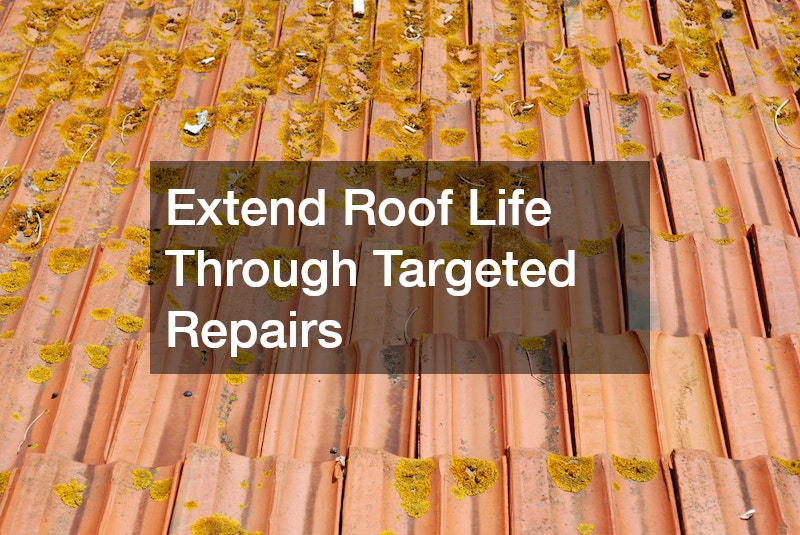
Even the most durable roofs require periodic attention to maintain their protective function and extend their lifespan. Over time, exposure to weather, temperature fluctuations, and debris can cause minor damage that, if left unaddressed, may develop into major issues. Instead of waiting for a full roof failure, homeowners can invest in targeted roofing repairs that address small but critical problems early. These preventative measures not only protect the home from water damage and structural deterioration but also help avoid the higher costs and disruption associated with complete roof replacement.
Targeted roofing repairs focus on localized issues that compromise the roof’s integrity, such as damaged or missing shingles, worn flashing around vents and chimneys, or minor structural weaknesses in the underlying decking. By addressing these problems promptly, homeowners can prevent leaks, mold growth, and further deterioration of surrounding areas. Regular inspections, especially after storms or extreme weather, allow contractors to spot trouble spots before they escalate. These small, strategic repairs extend the life of the roof, maintain the home’s energy efficiency, and provide peace of mind knowing the structure remains protected without the expense of unnecessary replacement.
Key steps for cost-effective roof maintenance:
-
Inspect the roof twice a year and after major storms
-
Replace individual shingles or tiles as soon as damage is detected
-
Seal vulnerable areas to prevent water infiltration
Timely repairs reduce the risk of structural damage, extend the life of the roof, and help homeowners avoid the cost of full roof replacement.
Renovate Key Spaces for Long-Term Savings
Certain areas of the home, such as bathrooms, see heavy daily use and benefit from upgrades that improve efficiency and durability. A bath remodel can include installing low-flow fixtures, durable flooring, and water-saving appliances to reduce ongoing maintenance and utility costs.
Practical tips for budget-conscious bathroom renovations:
-
Replace old faucets and showerheads with water-efficient models
-
Choose mold-resistant materials for walls and flooring
-
Refinish or re-glaze existing tubs instead of replacing them
Thoughtful renovations can increase comfort, reduce water consumption, and prevent costly future repairs, providing a strong return on investment.
Protect Your Home From Water Damage
Proper water management is critical to avoiding expensive repairs caused by foundation erosion, leaks, or basement flooding. A local gutter company can provide installation and maintenance of gutters and downspouts that effectively channel water away from the home.
Key strategies for preventing water damage include:
-
Keeping gutters and downspouts clear of debris
-
Ensuring downspouts direct water at least 5–10 feet from the foundation
-
Inspecting gutter systems annually for leaks or loose fittings
Maintaining a properly functioning gutter system protects the home’s structure and landscape, preventing costly water damage over time.
Maintain and Protect Septic Systems
Septic systems are essential for proper waste management in homes not connected to municipal sewage. Neglecting maintenance can result in expensive repairs, environmental hazards, and health risks. Working with septic companies for routine inspections, pumping, and minor repairs helps prevent system failure.
Tips for septic system maintenance:
-
Schedule regular pumping every 3–5 years, depending on household size
-
Avoid flushing non-biodegradable items or harsh chemicals
-
Inspect tanks and drains for leaks or signs of backup
Proactive care reduces the risk of emergency repairs and extends the lifespan of the system, saving homeowners significant money in the long term.
Strategic home improvements provide lasting financial benefits by reducing energy consumption, preventing costly repairs, and extending the lifespan of key systems and materials. By prioritizing upgrades such as preventative maintenance, durable surfaces, targeted repairs, and water management solutions, homeowners can protect their investment while saving money over time. These thoughtful, practical improvements create a more efficient, comfortable, and resilient home, proving that careful planning today can result in long-term savings for years to come.