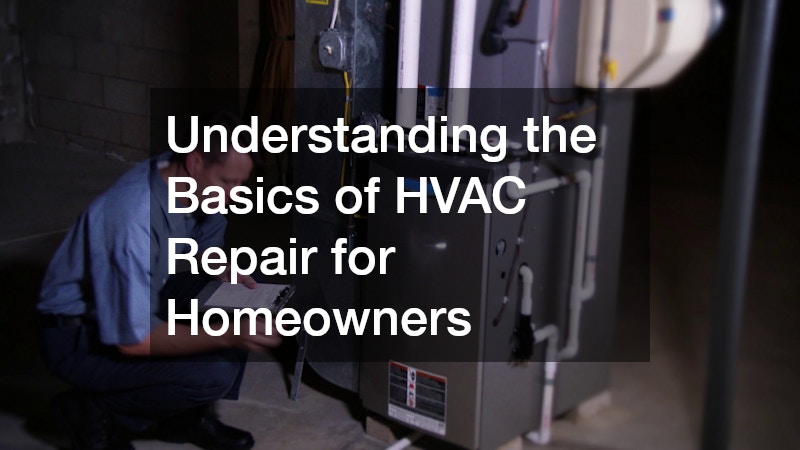
A home’s heating and cooling system plays a vital role in maintaining comfort throughout the year. Whether it is keeping indoor spaces warm during colder months or providing cool air during warmer seasons, a properly functioning HVAC system ensures a consistent and livable environment. Over time, however, systems can experience wear and tear that affects performance, efficiency, and reliability.
Understanding the basics of how these systems work and what can go wrong is important for homeowners who want to stay ahead of potential issues. Many common problems begin as small, manageable concerns that gradually worsen if left unaddressed.
Recognizing early warning signs and knowing when to seek professional help can make a significant difference in avoiding costly breakdowns and maintaining system longevity.
While some minor maintenance tasks can be handled by homeowners, more complex issues typically require professional attention. Knowing the difference between simple upkeep and situations that call for HVAC repair helps ensure that the system continues to operate safely and efficiently. The following sections provide an overview of common issues, warning signs, and essential maintenance considerations that every homeowner should understand.
Common Signs That Indicate a Problem
There are several warning signs that may indicate an issue with the system. One of the most noticeable is inconsistent temperature control throughout the home. If certain rooms feel warmer or cooler than others, it may suggest airflow restrictions, duct issues, or problems with system balance.
Unusual noises are another common indicator of potential trouble. Sounds such as rattling, banging, or squealing often point to loose or worn components that may need attention. These noises should not be ignored, as they can signal mechanical issues that may worsen over time if not addressed.
Changes in energy usage can also provide insight into system performance. If utility bills increase without a corresponding change in usage, the system may be working harder than necessary to maintain comfort. This can be caused by dirty filters, aging components, or other inefficiencies that reduce overall effectiveness.
In many cases, these symptoms are early indicators that the system may require HVAC repair. Addressing them promptly helps prevent minor issues from developing into more serious and expensive problems.
The Importance of Routine Maintenance
Routine maintenance is one of the most effective ways to keep an HVAC system operating efficiently. Simple tasks such as replacing air filters, cleaning vents, and keeping outdoor units free of debris can have a noticeable impact on performance. Clean filters, in particular, help maintain proper airflow and reduce strain on the system.
Regular inspections by a qualified technician are also an important part of maintenance. During these visits, the system is evaluated for signs of wear, leaks, or mechanical issues that may not be visible to the homeowner. Identifying and addressing these concerns early helps prevent unexpected breakdowns and extends the lifespan of the equipment.
Scheduling routine maintenance also allows the system to operate more efficiently, which can lead to lower energy costs over time. A well-maintained system does not have to work as hard to achieve the desired temperature, resulting in more consistent performance and reduced wear on components.
When Professional Repair Is Necessary
While basic maintenance can be handled by homeowners, certain issues require professional expertise. Electrical problems, refrigerant leaks, and complex mechanical failures should always be addressed by trained technicians. These types of issues involve specialized tools and knowledge to diagnose and repair safely.
Attempting to fix advanced problems without proper training can lead to further damage or safety risks. For example, handling refrigerants requires certification, and working with electrical components can pose hazards if not done correctly. In these situations, professional HVAC repair ensures that the system is restored properly and safely.
Technicians can also perform detailed diagnostics to identify underlying issues that may not be immediately obvious. This allows for more accurate repairs and helps prevent recurring problems. In many cases, professional intervention not only resolves the immediate issue but also improves overall system performance.
Extending the Lifespan of Your System
Proper care and timely maintenance can significantly extend the lifespan of an HVAC system. Components that are regularly cleaned, inspected, and serviced are less likely to fail prematurely. This reduces the likelihood of unexpected breakdowns and delays the need for costly replacements.
In addition to maintenance, using the system efficiently can also contribute to its longevity. Setting the thermostat to reasonable temperatures, avoiding constant adjustments, and ensuring proper airflow throughout the home all help reduce unnecessary strain on the equipment.
When issues do arise, addressing them promptly through HVAC repair can prevent further damage to other components. Small problems that are left unresolved often place additional stress on the system, which can accelerate wear and lead to more extensive repairs down the line.
While some maintenance tasks are simple and can be performed regularly, more complex issues require the expertise of trained professionals. Timely HVAC repair helps ensure that problems are addressed correctly and that the system continues to operate safely and efficiently.
With proper care and attention, an HVAC system can provide reliable performance for many years. Staying informed about how the system works and responding quickly to potential issues allows homeowners to maintain consistent comfort while avoiding unnecessary disruptions and expenses.