The roof over your head is arguably the most critical component of your home’s structure. It is the first line of defense against scorching sun, torrential rain, heavy snow, and high winds. Yet, for many homeowners, the roof is an “out of sight, out of mind” feature until water begins dripping through the ceiling. By the time a leak is visible inside the home, the financial damage has often already compounded. Saving money on roofing isn’t about finding the cheapest materials or cutting corners; it is about strategic management, early intervention, and informed decision-making. Understanding how to navigate the world of roofing can save you thousands of dollars over the lifespan of your home.
Identifying Small Roofing Problems Before They Worsen
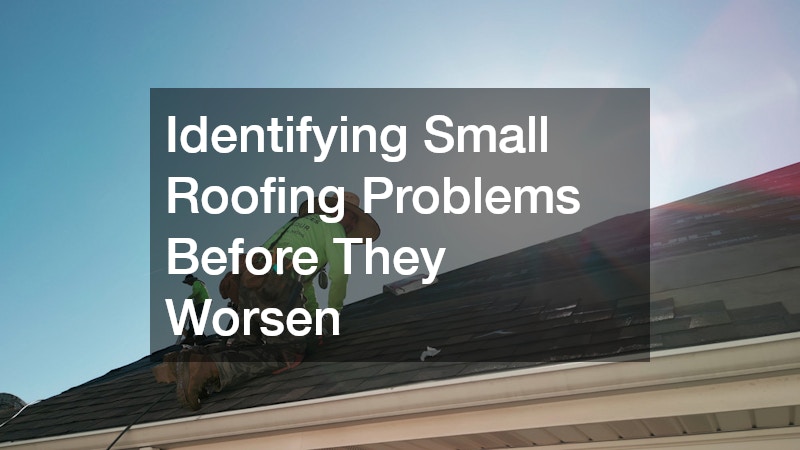
The most effective way to save money on your home’s exterior is to catch issues while they are still minor “glitches” rather than structural failures. Most massive roofing bills start as small problems: a single cracked shingle, a loose piece of flashing, or a bit of moss growth. When left unaddressed, these small openings allow moisture to seep into the underlayment, eventually rotting the wooden decking beneath.
To stay ahead of these costs, homeowners should perform a visual inspection at least twice a year—once in the spring and once in the fall. You don’t necessarily need to climb a ladder; a pair of binoculars can help you spot missing granules, curled shingle edges, or rusted valley flashing from the safety of the ground. If you notice anything suspicious, contacting a local roofing company for a professional inspection is a wise investment. These experts can identify subtle signs of wear that an untrained eye might miss, such as “bruising” from hail or failing seals around plumbing vents. Catching a $200 problem today prevents it from becoming a $2,000 problem next season.
Scheduling Repairs Before Damage Spreads Further
Procrastination is the primary enemy of your bank account when it comes to home maintenance. In the world of roofing, there is no such thing as a “stable” leak. Once the water-tight seal of your roof is compromised, every rainstorm pushes moisture deeper into the insulation and drywall of your home. This leads to secondary issues like mold growth, which can be far more expensive to remediate than the roof itself.
As soon as an issue is identified, you should prioritize a roof repair immediately. Waiting for “better weather” or a more convenient financial month often backfires. Water follows the path of least resistance, and even a small entry point can lead to a saturated attic, ruined electrical wiring, and compromised structural integrity. By acting quickly, you limit the scope of the work to a localized area. A quick patch or a few replacement shingles are significantly more affordable than a full-scale restoration required after months of water infiltration.
Comparing Estimates From Multiple Professionals
When you realize work needs to be done, the first instinct might be to hire the first contractor who picks up the phone. However, there can be significant variance in pricing, expertise, and material quality between different providers. To ensure you are getting a fair market rate, it is essential to gather at least three detailed quotes for the job.
When you contact a roof repair company, ask for a “line-item” estimate. This should break down the cost of labor, the specific brands of materials being used, disposal fees for old debris, and the cost of any necessary permits. Comparing these side-by-side allows you to see where the value lies. One company might be slightly more expensive but includes a superior warranty or higher-grade sealant. Be wary of estimates that are significantly lower than the others; this often indicates that the contractor is uninsured, lacks proper licensing, or plans to use substandard materials that will fail prematurely, costing you more in the long run.
Understanding Which Repairs Provide the Most Value
Not all roofing tasks are created equal. If you are working with a limited budget, it is important to understand which interventions offer the highest “Return on Investment” (ROI) in terms of home protection. Focus first on the “envelope” of the roof—the areas most likely to leak. This includes the chimney flashing, the valleys where two roof planes meet, and the “boots” around vent pipes.
When discussing options with various roofing companies, ask them to prioritize repairs based on structural necessity versus aesthetic improvement. For example, replacing a few missing shingles on a prominent gable might improve curb appeal, but resealing a leaking skylight is far more important for the longevity of the house. By focusing your funds on the most critical waterproofing elements, you ensure that your money is working as hard as possible to keep your interior dry and safe.
Maintaining Your Roof to Reduce Long-Term Costs
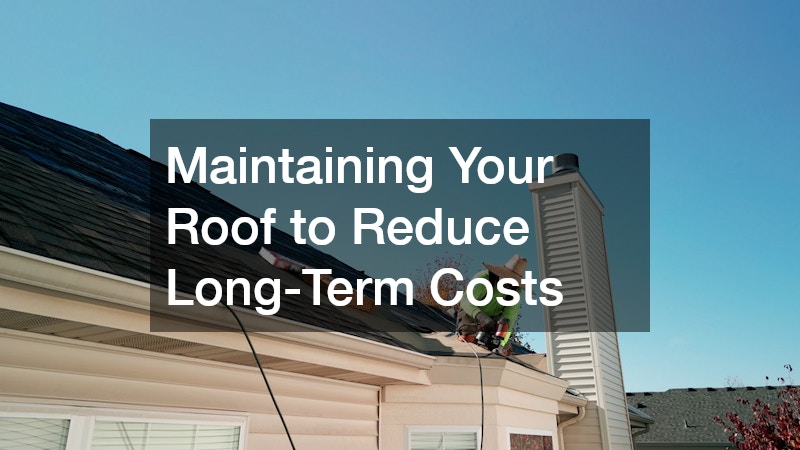
Prevention is always more affordable than a cure. A roof that is properly maintained can often last five to ten years longer than one that is ignored. The simplest maintenance task is also the most frequently overlooked: cleaning the gutters. When gutters are clogged with leaves and debris, water backs up under the eaves and shingles, leading to “ice dams” in the winter and rotted fascia boards in the summer.
Hiring professional roofers to perform an annual “tune-up” can be a massive money-saver. During these visits, they can clear debris from the roof surface (which traps moisture and causes rot), check that the attic ventilation is working correctly, and ensure that the seals on all roof penetrations are still pliable. Proper ventilation, in particular, is vital; an attic that gets too hot in the summer will “bake” your shingles from the inside out, causing them to become brittle and fail years before their time. A small annual maintenance fee is a pittance compared to the cost of a premature roof replacement.
Responding Quickly to Storm Damage and Leaks
Nature can be unpredictable, and even a well-maintained roof can fall victim to a severe hailstorm or a fallen tree limb. In these high-stress moments, the speed of your response dictates the total cost of the claim. If your roof is compromised during a storm, the risk of catastrophic interior damage increases by the hour.
This is where the services of an emergency roofing contractor become invaluable. These professionals specialize in “tarping” and temporary stabilization to prevent further water entry until a permanent fix can be implemented. Many homeowners hesitate to call for emergency service due to the premium cost, but the alternative is often a flooded home and ruined belongings. Furthermore, an emergency pro can provide the necessary documentation and photos for your insurance company, ensuring that your claim is processed accurately and that you receive the full amount you are entitled to for the repairs.
Knowing When Repairs Are Better Than Replacement
One of the most difficult decisions for a homeowner is deciding whether to continue patching an old roof or to bite the bullet and replace the entire thing. Unscrupulous contractors may push for a total replacement because it is more profitable for them, but a truly skilled professional can often extend the life of a roof that is otherwise in good condition.
Consulting with experienced residential roofers can provide clarity on the “Rule of Thirds.” If more than one-third of the roof is damaged, or if the cost of the repair exceeds 30-40% of the cost of a new roof, replacement is usually the smarter financial move. However, if the issues are localized to a specific area—perhaps a single slope that gets more sun or a section damaged by a specific event—a targeted repair is much more cost-effective. A good roofer will look at the age of the shingles, the condition of the granules, and the integrity of the underlayment before giving you an honest recommendation on which path saves you more money over the next decade.
Investing in Preventive Maintenance Throughout the Year
Roof care isn’t a “one and done” task; it is a seasonal commitment. In the winter, you must watch for heavy snow loads and ice dams. In the spring, you deal with wind-blown debris and heavy rains. In the summer, the UV rays of the sun can dry out rubber seals and caulking. By spreading your maintenance efforts throughout the year, you avoid “sticker shock” from massive, neglected issues.
Utilizing professional roofing services for seasonal check-ups allows for a “proactive” rather than “reactive” approach. For instance, having a professional check your attic insulation levels in the winter can prevent the heat loss that causes ice dams. In the summer, they can ensure your soffit vents aren’t blocked, keeping the roof deck cool. These small, incremental steps are the secret to a roof that lasts thirty years instead of fifteen. When you treat your roof as a dynamic system that changes with the weather, you can budget for small fixes rather than being blind-sided by a total system failure.
Choosing Reliable Professionals for Long-Term Support
The cheapest quote often becomes the most expensive one when the work fails and the contractor is nowhere to be found. “Tailgate contractors” who vanish after a storm are a common plague in the roofing industry. To save money, you need a partner who will be there to honor their warranty and provide ongoing support for years to come.
Take the time to verify the credentials of local roofing contractors. Look for companies with physical offices in your community, positive long-term ratings with the Better Business Bureau, and manufacturer certifications. A “certified” installer can often offer extended warranties that cover both materials and labor—protection that uncertified contractors cannot provide. Establishing a relationship with a local firm means they have a vested interest in their reputation and the quality of the work on your home. They will know the history of your roof, making future diagnostics faster and more accurate, which ultimately lowers your service costs.
Selecting Durable Materials That Reduce Future Expenses
If you do find yourself needing a partial or full replacement, the materials you choose today will determine your expenses for the next thirty years. While standard asphalt shingles are the most common and have the lowest upfront cost, they also have the shortest lifespan. If you plan on staying in your home for decades, investing in higher-end materials can be the ultimate money-saving move.
For example, tile roofing is renowned for its incredible durability, often lasting fifty to one hundred years with proper care. While the initial installation of tile is more expensive, the “cost per year” is significantly lower than asphalt because you won’t have to replace the entire roof two or three more times during your residency. Additionally, tile is highly resistant to fire, rot, and insect damage, and it provides superior thermal insulation, which can lower your monthly energy bills. When you view roofing materials through the lens of “lifecycle cost” rather than “initial price,” the more durable options often emerge as the clear winners for a budget-conscious homeowner.
Maximizing Energy Efficiency Through Strategic Roof Modifications
While many homeowners view roof work strictly as a way to stop leaks, a well-managed roof can also be a significant tool for reducing your home’s monthly overhead. The temperature of your roof deck directly impacts the workload of your HVAC system; a roof that absorbs excessive heat will bake your attic, forcing your air conditioner to run longer and more frequently. By consulting with an hvac system expert or a specialized roofing consultant, you can identify modifications—such as solar-reflective shingles or advanced ridge venting—that keep your home cooler naturally.
When you are interviewing local roofing contractors, ask about “cool roof” technologies or radiant barriers that can be installed during a standard repair or resurfacing. These materials are designed to reflect more sunlight and absorb less heat than standard roofing products. In many regions, these upgrades qualify for federal tax credits or local utility rebates, providing an immediate financial return on top of the long-term energy savings. By integrating energy efficiency into your repair strategy, you transform a necessary maintenance expense into a long-term investment that lowers your cost of living for as long as you own the home.
Saving money on essential roof repairs is a marathon, not a sprint. It requires a combination of vigilant observation, rapid response to damage, and a commitment to quality over the lowest possible price. By identifying problems early, partnering with reliable local professionals, and investing in durable materials and routine maintenance, you can ensure that your roof remains a protective shield for your home without draining your savings. A roof is an investment in your home’s future; treating it with the care it deserves today will pay dividends in safety, comfort, and financial stability for years to come. Don’t wait for the rain to remind you of your roof’s importance—take a proactive stance and protect your biggest asset.