A small drip, a faint hum, or a musty smell rarely feels urgent in the moment, but these are exactly the warning signs that turn into expensive disasters when ignored. Most major home repairs do not happen overnight, they build slowly over weeks or months while homeowners go about their routines unaware. Building a habit of seasonal home system checks can catch these problems early, saving thousands of dollars and countless headaches. This guide walks through the key systems worth inspecting every few months, so you know exactly what to look for and when to bring in help.
Inspect Your Roof and Gutters Before Storm Season
Your roof and gutter system takes the brunt of every season’s weather, from summer thunderstorms to winter ice. Clogged gutters cause water to back up under shingles, leading to rot, mold, and even foundation damage if left unchecked for too long. Walking the perimeter of your home twice a year to check for sagging gutters, loose brackets, or visible debris buildup can prevent a minor clog from becoming a major structural issue.
If you notice water stains on your siding or pooling near your foundation after rain, it is often a sign your gutters are not directing water where it needs to go. A gutter installation contractor can assess whether your current system is properly sized and pitched for your roofline, especially if your home has additions or unusual rooflines that create extra runoff. Catching these issues before the rainy season starts is far cheaper than repairing water damage later.
- Check for granules from asphalt shingles collecting in gutters, a sign of aging roofing material
- Look for gutter sections pulling away from the fascia board
- Clear downspouts of leaves and debris every season
- Confirm downspouts extend at least three feet from the foundation
Test Smoke Detectors and Home Electrical Panels
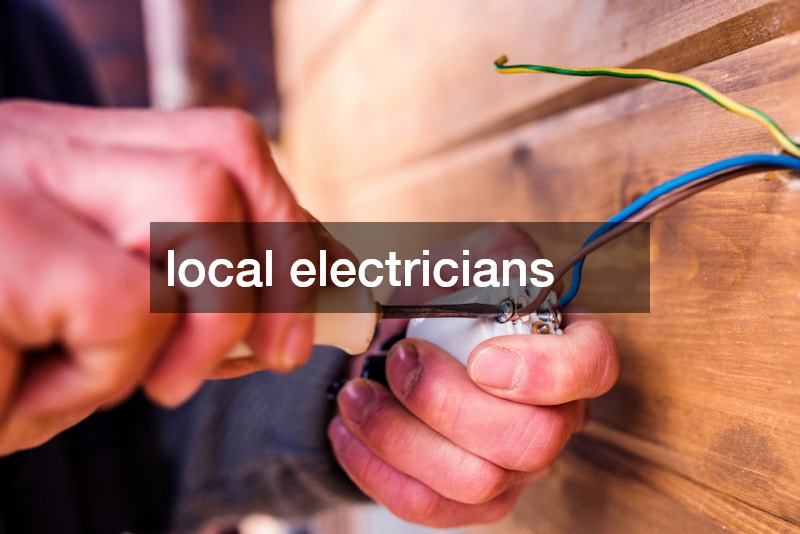
Electrical issues are one of the leading causes of house fires, yet many homeowners only think about their wiring when something stops working. Flickering lights, warm outlets, or breakers that trip frequently are all signs that your electrical system may be under strain. A seasonal walkthrough of your panel and outlets can help you spot these warning signs before they turn into a fire hazard.
If your home is older than 25 years or you have added major appliances recently, it is worth having local electricians inspect your panel capacity and wiring condition. They can identify outdated fuse boxes, aluminum wiring, or overloaded circuits that pose real safety risks. This is especially important if you are planning renovations, since new electrical loads need to be accounted for ahead of time rather than discovered during a project.
- Test smoke and carbon monoxide detectors monthly, replace batteries twice a year
- Look for scorch marks or discoloration around outlets and switches
- Note any buzzing sounds coming from your panel
- Replace detectors themselves every 8 to 10 years
Service Your Heating and Cooling Equipment Twice a Year
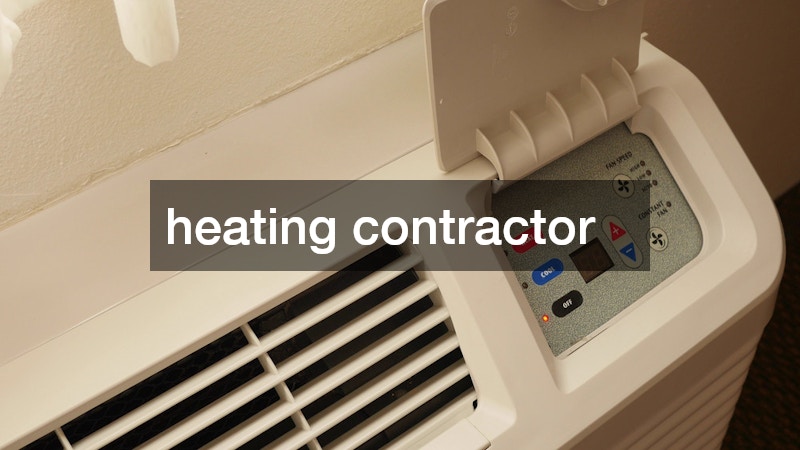
Your furnace and air conditioner work hardest during the most extreme weather, which is exactly when you do not want them to fail. A seasonal tune-up before the heavy usage months helps catch worn belts, dirty filters, or refrigerant leaks before they cause a full breakdown. Skipping this maintenance often shortens the lifespan of the equipment and drives up energy bills throughout the season.
Scheduling a visit from a heating contractor each fall ensures your furnace is cleaned, calibrated, and safe to run through the coldest months. They can also check your carbon monoxide output and ventilation, which matters more than most homeowners realize since a cracked heat exchanger can be dangerous. Pairing this with a spring air conditioning check keeps your system running efficiently year-round instead of scrambling for emergency repairs during a heat wave.
- Replace furnace and AC filters every one to three months
- Clear debris from around outdoor condenser units
- Bleed radiators if you have a hot water heating system
- Schedule duct cleaning every few years to maintain airflow
Check Plumbing Fixtures and Water Lines for Leaks
Plumbing problems often start small, a slow drip under a sink or a slightly slower drain, and escalate into burst pipes or water damage if ignored. Checking exposed pipes in basements, crawl spaces, and under sinks each season helps you catch corrosion or small leaks before they become emergencies. Water pressure that suddenly changes throughout the house can also signal a hidden leak somewhere in the system.
Before winter arrives, it is worth having local plumbers inspect exterior spigots and any exposed piping that could freeze and burst during a cold snap. They can also flag aging water heaters, which typically last 8 to 12 years and tend to fail without much warning. Addressing small plumbing issues proactively is almost always less expensive than dealing with the aftermath of a burst pipe or flooded basement.
- Check under sinks for moisture, mold, or mineral buildup
- Test water pressure at multiple faucets
- Insulate exposed pipes in unheated areas before winter
- Flush your water heater annually to remove sediment buildup
Evaluate Attic and Wall Insulation Levels
Insulation does more than keep your home comfortable, it directly affects your energy bills and can prevent moisture problems that lead to mold. Homes with inadequate insulation often show uneven temperatures between rooms, ice dams forming on the roof in winter, or noticeably higher heating and cooling costs. A seasonal check of your attic insulation depth and condition can reveal whether it has settled, gotten damp, or simply is not enough for your climate.
If you notice your energy bills climbing without an obvious cause, it may be time to have a local insulation company assess your attic, walls, and crawl spaces. They can measure your current R-value against recommended levels for your region and identify gaps around vents, pipes, or attic access points where air leaks are common. Upgrading insulation is one of the more cost-effective home improvements, often paying for itself through lower utility bills within a few years.
- Look for compressed or discolored insulation, which loses effectiveness
- Check for daylight visible through attic vents or soffits
- Feel for drafts around attic hatches and recessed lighting
- Watch for ice dams on the roofline as a sign of heat escaping
Look for Pest Entry Points Around the Home Exterior
Pests tend to become more active as seasons change, seeking shelter indoors as temperatures drop or emerging in force during warm, humid months. Small cracks in your foundation, gaps around utility lines, or unsealed vents are all common entry points that are easy to overlook during a casual walkthrough. Catching an infestation early, whether it is termites, rodents, or ants, can prevent structural damage and significantly reduce treatment costs.
Scheduling a seasonal inspection with pest exterminators is especially valuable if you live in a region prone to termites or carpenter ants, since these pests can cause damage long before it becomes visible. Professionals know where to look for signs like frass, mud tubes, or hollow-sounding wood that most homeowners would miss entirely. Regular inspections also give you documentation over time, which can be useful if you ever need to address damage with a home insurance claim.
- Seal gaps around pipes, cables, and foundation cracks
- Trim vegetation and woodpiles away from the home exterior
- Check for droppings, gnaw marks, or nesting material in attics and basements
- Watch for discarded wings or mud tubes, signs of termite activity
Test Your Garage Door Safety Features and Hardware
The garage door is one of the largest moving parts of a home, yet it often gets ignored until it stops working entirely. Worn springs, frayed cables, or misaligned tracks can turn a routine open-and-close into a safety hazard, especially in households with children or pets nearby. A quick seasonal test of the auto-reverse safety feature and a visual check of the hardware can catch problems while they are still minor.
If your door is slow to respond, unusually noisy, or does not close evenly, it is worth contacting local garage door repairs professionals rather than attempting a fix yourself, since spring tension can be dangerous to handle without the right tools. They can also check the weather seal along the bottom of the door, which affects both energy efficiency and protection from pests and moisture. A well-maintained garage door typically lasts 15 to 30 years, but only with consistent attention to its moving parts.
- Test the auto-reverse function by placing an object in the door’s path
- Lubricate rollers, hinges, and tracks twice a year
- Inspect cables and springs for fraying or rust
- Replace worn weather stripping to keep out drafts and pests
Inspect Exterior Siding and Trim for Damage
Your home’s siding is its first line of defense against wind, rain, and temperature swings, so damage here tends to lead to bigger problems if left alone. Cracked, warped, or loose siding panels allow moisture to seep behind the exterior wall, which can cause rot and mold that is expensive to remediate once it spreads. A seasonal walk around the exterior, checking corners, trim, and areas near downspouts, helps catch these issues while they are still cosmetic rather than structural.
When damage does appear, prompt siding repairs can prevent a small crack from turning into a much larger and costlier project involving sheathing or framing repair. Pay particular attention to areas around windows and doors, where caulking tends to fail first and create small gaps for water intrusion. Addressing these spots early also helps maintain your home’s curb appeal and resale value, which matters even if you are not planning to sell anytime soon.
- Check for warping, cracking, or fading that signals sun and moisture damage
- Inspect caulking around windows, doors, and trim
- Look for soft spots, which can indicate rot underneath
- Watch for pest damage, especially near wood trim and fascia boards
Maintain Pool and Outdoor Water Equipment Before Peak Season
If your property includes a pool, seasonal maintenance is essential not just for water quality but for the safety and longevity of the surrounding equipment. Pumps, filters, and heaters all work harder during peak swimming months, and skipping a pre-season checkup often leads to equipment failure right when you need it most. Cracked tiles, worn pool liners, or corroded ladders are also safety concerns that are easier to address in the off-season.
Bringing in pool contractors before opening your pool for the season allows them to check circulation systems, test for leaks in the plumbing, and confirm that safety equipment like covers and fencing are still in good condition. This is also a good time to review your chemical balance system, since a malfunctioning feeder can lead to water quality issues that affect swimmers. Investing in this seasonal check helps you avoid the higher cost of emergency repairs during the busiest weeks of summer.
- Inspect pump and filter systems for wear before opening the pool
- Check pool covers, fencing, and ladders for safety issues
- Test water chemistry balance systems for proper function
- Look for cracks in tile or decking that could worsen with freeze-thaw cycles
Plan Kitchen and Bathroom Storage Upgrades During Renovation Season
While not a safety issue like the other systems on this list, storage and organization problems in kitchens and bathrooms often lead homeowners to rushed decisions during a renovation, resulting in wasted space or mismatched finishes. Taking time during a seasonal home review to assess whether your current cabinetry meets your household’s needs can help you plan upgrades more thoughtfully rather than reactively. This is particularly relevant if you are noticing warped shelves, sticking drawers, or water damage under sinks that suggest existing cabinets are reaching the end of their usable life.
Homeowners considering an upgrade often find that custom cabinets offer better use of awkward spaces, like corners or narrow galley kitchens, compared to standard stock sizes. Planning this kind of project during a slower season, rather than waiting until a cabinet fails completely, gives you more time to select materials and finishes that fit your budget and timeline. It also pairs naturally with other maintenance checks, since opening up cabinetry during a renovation is a good opportunity to inspect the plumbing and electrical hidden behind it.
- Check for water damage or swelling at the base of kitchen and bathroom cabinets
- Test drawer slides and hinges for smooth operation
- Assess whether current storage meets your household’s actual needs
- Consider pull-out shelving or vertical storage for underused spaces
Staying ahead of home maintenance does not require a complete overhaul of your routine, just a consistent seasonal habit of checking the systems that matter most. By catching small issues in your roof, electrical panel, plumbing, insulation, and other key areas early, you can avoid the stress and expense of emergency repairs down the road. Start with a simple checklist this season, walk through your home with fresh eyes, and address anything that looks even slightly off. A little attention now can save you significant time, money, and worry later.