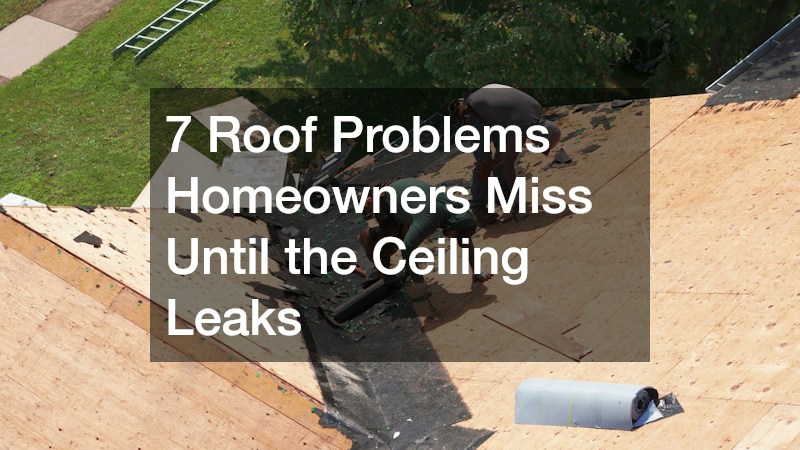
A ceiling stain rarely appears out of nowhere. In most cases, water has been quietly working its way through your roof for weeks or even months before it ever shows up as a brown ring on your drywall. By the time you notice a leak indoors, the damage above your head is often more extensive than it looks. Knowing what to check for before that happens can save you thousands of dollars in repairs and protect the structure of your home.
Cracked or Curling Shingles
Shingles are your roof’s first line of defense, and they wear out gradually rather than all at once. Sun exposure, temperature swings, and age cause edges to curl upward or granules to wear thin, both of which let water sneak underneath. Homeowners often mistake this for a cosmetic issue rather than a functional one, since the roof can still look fine from the ground.
A quick pair of binoculars or a walk around the exterior after a windstorm can reveal early warning signs. Catching curling or cracked shingles early is one of the simplest ways to avoid a much larger repair bill later.
- Look for shingle edges lifting or curling upward
- Check gutters and the yard for accumulated granules
- Note any shingles that appear darker or discolored in patches
- Watch for missing shingles after high winds
Flashing Gaps Around Chimneys and Vents
Flashing is the thin metal barrier installed around chimneys, skylights, vents, and anywhere two roof planes meet. It’s designed to redirect water away from these vulnerable seams, but it can loosen, rust, or crack over time. Because flashing sits in less visible spots, problems here often go unnoticed until water has already traveled into the attic space.
Sealant around flashing also breaks down faster than the metal itself, especially in climates with harsh winters or intense summer heat. If you spot a bubbled ceiling directly below a chimney or vent stack, this is one of the first areas worth inspecting.
- Inspect sealant around chimney bases for cracking
- Check vent boots for brittleness or gaps
- Look for rust streaks running down the flashing
- Pay attention to skylight edges after heavy rain
Clogged or Sagging Gutters
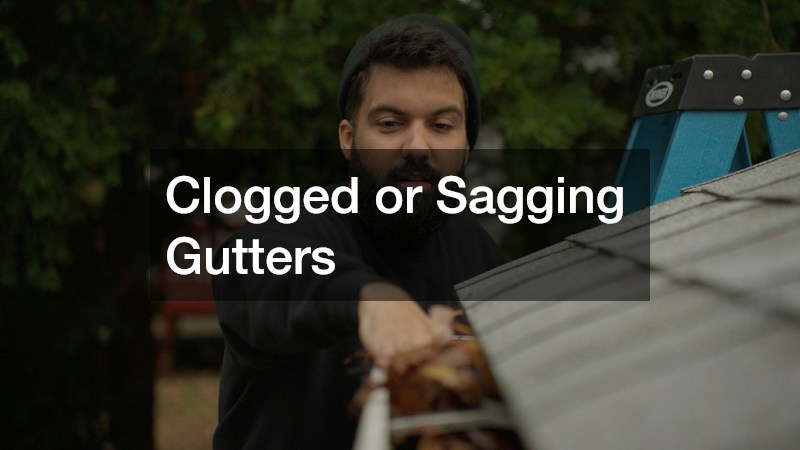
Gutters do more work than most homeowners realize, guiding water away from the roofline and foundation. When they fill with leaves, twigs, or granules, water backs up and pools against the roof edge instead of draining properly. Over time, this standing water can seep under shingles and into the fascia board, leading to rot that’s expensive to fix.
Sagging gutters are another red flag, often caused by the added weight of debris or ice. A gutter pulling away from the roofline is a sign that water isn’t being channeled where it should go, which puts extra stress on the roof edge itself.
- Clean gutters at least twice a year, more often near trees
- Check for water marks on the fascia board
- Look for gutters pulling away from brackets
- Confirm downspouts direct water away from the foundation
Attic Ventilation and Moisture Buildup
A poorly ventilated attic traps heat and moisture, which can cause condensation to form on the underside of the roof deck. Over time, that moisture leads to mold growth, wood rot, and even ice dams in colder months. Many homeowners never step into their attic, so this problem can develop for years without detection.
Proper airflow through soffit and ridge vents keeps temperatures balanced and moisture moving out rather than settling. If your attic feels noticeably humid or you spot dark spots on the rafters, it’s worth having the ventilation system evaluated before it affects the roof structure below.
- Check for musty odors when entering the attic
- Look for frost or condensation on nails in winter
- Inspect insulation for damp or matted spots
- Confirm soffit vents aren’t blocked by insulation
Damaged or Deteriorating Roof Decking
Beneath the shingles and underlayment lies the roof decking, typically plywood or OSB board that provides structural support. When leaks go unaddressed, water can soak into this layer and cause it to soften, sag, or delaminate. This is one of the more serious issues homeowners miss, since decking problems aren’t visible until a professional pulls back the roofing materials.
A soft or spongy feeling when walking on the roof, or visible sagging between rafters, usually points to decking damage. At this stage, patch repairs are rarely enough, and many residential roofing professionals recommend addressing the decking before any new materials go down, since installing shingles over compromised wood only delays a bigger problem.
- Watch for visible dips or waves across the roof surface
- Check ceilings for soft spots or bubbling paint
- Note any bounce or give when walking on the roof
- Look for daylight through the attic if boards have separated
Ice Dams Along the Roof Edge
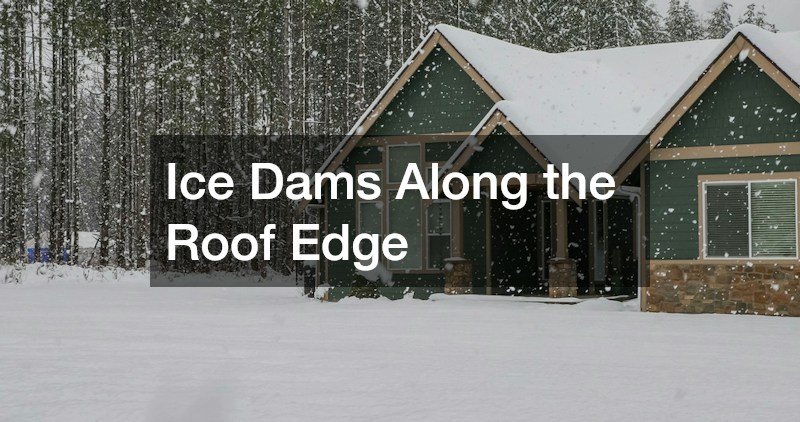
In colder climates, ice dams form when heat escaping from the attic melts snow on the upper roof, which then refreezes at the colder eaves. This ridge of ice blocks proper drainage, forcing melting snow to back up under shingles and into the home. Many homeowners assume ice dams are just a winter nuisance, but they can cause real structural damage over multiple seasons.
Preventing ice dams comes down to insulation and ventilation working together to keep the roof surface at a consistent temperature. If you notice icicles forming in thick clusters along the eaves each winter, that’s a sign heat is escaping unevenly and worth addressing before the next freeze cycle.
- Check attic insulation levels before winter arrives
- Clear snow buildup from roof edges when safe to do so
- Look for icicles clustered heavily in one area
- Address attic air leaks that let heat escape upward
Aging Roof Systems Nearing the End of Their Lifespan
Every roofing material has a realistic lifespan, and once a roof approaches that age, small problems tend to multiply quickly. Asphalt shingles typically last 20 to 25 years, but factors like poor ventilation, storm exposure, and installation quality can shorten that window considerably. Homeowners often keep patching an aging roof without realizing that repeated small repairs eventually cost more than one larger fix.
If your roof is nearing the end of its expected lifespan, it’s worth having a qualified residential roofer assess its condition rather than waiting for a leak to force the issue. Getting ahead of the timeline gives you room to plan and budget rather than dealing with an emergency during a storm. In many cases, a thorough inspection reveals that full roof replacements make more financial sense than continuing to patch isolated trouble spots.
- Track the installation date of your current roof
- Compare repair costs over the past few years
- Ask about material lifespan expectations for your climate
- Request a professional inspection every few years as the roof ages
When to Bring in a Professional Inspection
Some roof issues are visible from the ground or attic, but others require a trained eye to catch before they escalate. Experienced roofers use tools and techniques that go beyond a visual scan, including moisture meters, thermal imaging cameras, and borescopes, to identify problems hidden beneath the surface, like trapped moisture in the decking or insulation that’s lost its effectiveness.
As a general rule, homeowners should schedule a professional inspection at least once a year, ideally in the spring or fall, and immediately after any major storm involving high winds, hail, or heavy snow load. Even a roof that looks fine from the driveway can have granule loss, cracked flashing, or lifted shingles that only become obvious up close or under specialized equipment.
This kind of inspection is especially valuable after severe weather events, even if no leak has appeared yet, since damage can sit dormant for months before it shows up as a stain on the ceiling. A qualified inspector will also check less obvious spots, such as valleys, pipe boots, and chimney seals, where small failures tend to start. Catching these issues early often means the difference between a minor repair and a full section replacement.
Scheduling a routine checkup, rather than waiting for signs of trouble, is one of the most effective ways to protect your investment. Most experts recommend a professional inspection at least once a year, ideally in spring or fall, plus an extra check after any major storm with high winds or hail.
Many roofers offer inspections as a standalone service, usually running somewhere between $150 and $400 depending on your roof’s size and pitch, which gives homeowners a clear picture of their roof’s condition without any pressure to commit to repairs immediately. A thorough visit typically includes an assessment of shingles, flashing, gutters, attic ventilation, and signs of moisture intrusion, along with a written report and photos documenting any problem areas.
It’s also worth calling in a professional if your roof is approaching or past the 15-year mark, since materials naturally degrade even without obvious damage. Homeowners preparing to sell, refinance, or file an insurance claim should consider an inspection as well, since a documented report can speed up negotiations and provide proof of maintenance if disputes arise later.
- Schedule an inspection within 24-48 hours after major hail, windstorms, or any storm with gusts over 50 mph
- Ask for close-up photos or documentation of any issues found, including shots of flashing, valleys, and vent boots
- Request a written estimate before authorizing repair work, broken down by materials, labor, and expected timeline
- Get at least two quotes if the estimate exceeds $1,500 to confirm the price is reasonable
- Consider an annual checkup as part of routine home maintenance, ideally in spring or fall
- After any inspection, ask directly whether the roof has 5+ years of remaining life before investing in repairs
Conclusion
Most roof problems don’t start as emergencies; they start as small, easy-to-miss signs that build over time. Regular visual checks, seasonal maintenance, and periodic professional inspections give you the chance to catch trouble long before it reaches your ceiling. If you’ve noticed any of the warning signs above, don’t wait for a stain to spread before taking action. A proactive look today can save you from a much bigger repair tomorrow.