
A roof is designed to withstand years of exposure to rain, wind, sunlight, temperature changes, and other environmental conditions, but no roofing system lasts forever. Eventually, materials begin to deteriorate, repairs become more common, and homeowners have to decide whether continued maintenance makes sense or replacement is the more practical option.
Determining when that point has arrived is not always straightforward. A single missing shingle or isolated leak does not necessarily mean the entire roof needs to be replaced. In many situations, localized damage can be repaired successfully. On the other hand, repeatedly fixing individual problems on a roof with widespread deterioration can become expensive without addressing the underlying condition of the system.
Homeowners can make better decisions by paying attention to several factors rather than relying on one warning sign. The age of the roof, condition of the shingles, history of leaks, attic conditions, storm exposure, and frequency of repairs can all provide useful information. Professional inspections can then help determine how extensive the deterioration actually is.
Look for Shingles That Are Cracked, Curling, or Missing

Shingles form a major part of the roof’s protective surface, making their condition one of the most visible indicators of roofing health. Homeowners can sometimes identify problems from the ground, including missing shingles, curling edges, cracked materials, or areas that appear noticeably different from the surrounding roof.
A professional roofing contractor can perform a closer evaluation and determine whether the damage is isolated or widespread. A small number of damaged shingles may be repairable, particularly when the rest of the roof remains in good condition. Extensive deterioration across multiple areas can suggest that the roofing materials are approaching the end of their useful service life.
Curling and cracking can occur as shingles age and endure years of weather exposure. Missing materials may result from wind or other severe conditions. Regardless of the cause, damaged areas can reduce the roof’s ability to manage water properly.
Homeowners should avoid climbing onto the roof to perform their own close inspection. Roofing surfaces can be slippery, steep, or unstable, especially when deterioration is already present.
Tracking visible changes from year to year can help homeowners recognize when isolated damage is developing into a broader pattern that warrants professional attention.
Pay Attention to Frequent Leaks and Recurring Water Damage
A roof leak is an obvious reason to investigate the roofing system, but the frequency and location of leaks can provide additional information. One localized leak caused by damaged flashing may require a relatively straightforward repair. Repeated leaks in different areas may indicate more extensive deterioration.
Professional roofers can investigate where water is entering and determine whether the visible interior damage corresponds directly with the source. Water can travel along framing and other materials before appearing on a ceiling, meaning the location of a stain does not always reveal exactly where the roof has failed.
Homeowners should watch for ceiling discoloration, peeling paint, damp insulation, water marks, or musty odors. Previously repaired areas deserve continued attention to make sure the underlying problem was actually corrected.
Repeated water intrusion can also increase the scope of necessary repairs because moisture may affect materials beyond the roof covering itself. This makes prompt investigation important even when a leak appears relatively minor.
If repairs continue to solve only one problem before another leak appears elsewhere, homeowners may need to discuss whether replacement would provide a more comprehensive solution.
Consider the Age and Expected Lifespan of Your Roof
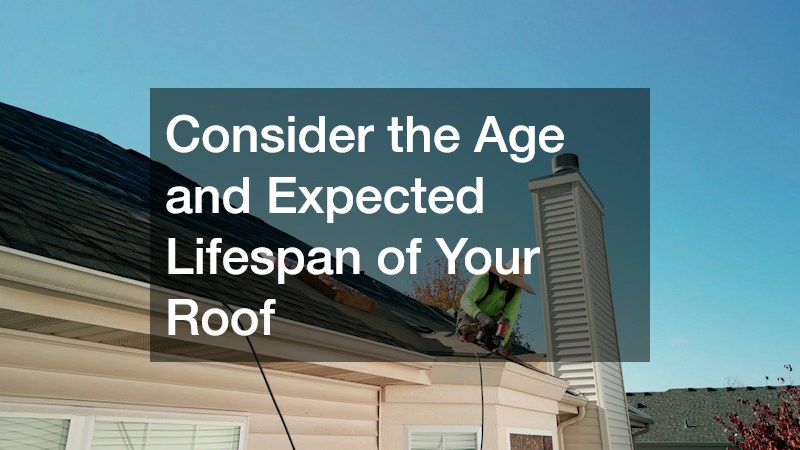
Age is one of the most useful pieces of information when evaluating a roof, although it should never be considered by itself. Different roofing materials have different expected service lives, and actual performance can vary considerably based on installation quality, climate, ventilation, maintenance, and weather exposure.
A residential roof repair business can evaluate an aging roof and identify areas that may still be serviceable as well as components showing significant deterioration. Homeowners should gather whatever records they have regarding installation dates, previous repairs, warranties, and materials.
If the installation date is unknown, documentation from previous owners, building records, or professional observations may provide additional clues.
An older roof does not automatically require immediate replacement if it remains in good condition. However, age becomes more significant when it appears alongside other warning signs such as frequent leaks, widespread shingle deterioration, or repeated repairs.
Knowing approximately where the roof stands in its expected service life also helps with financial planning. Homeowners who recognize that replacement may be approaching can begin budgeting before an urgent problem forces them to make a rushed decision.
Watch for Sagging or Uneven Areas Across the Roofline
The overall shape of the roof should appear relatively consistent. Areas that visibly sag, dip, or appear uneven deserve prompt professional evaluation because the issue may involve more than surface roofing materials.
Professional local roofing companies can examine suspicious areas and determine what may be contributing to the change in appearance. Potential concerns can involve decking, framing, moisture exposure, or other structural components beneath the visible roofing surface.
Homeowners can sometimes notice changes by viewing the roofline from the ground at different angles. Comparing current conditions with older photographs may make gradual movement easier to identify.
A sagging area should not be treated like a routine cosmetic problem. Simply replacing a few shingles over an underlying structural concern would not address the cause. The supporting materials may need to be evaluated before appropriate repairs or replacement can be determined.
Because structural roofing problems can involve safety concerns, homeowners should avoid walking on an area that appears compromised. Professional inspection can establish the extent of the problem and whether localized work is possible or a larger roofing project should be considered.
Check for Excessive Granule Loss From Asphalt Shingles
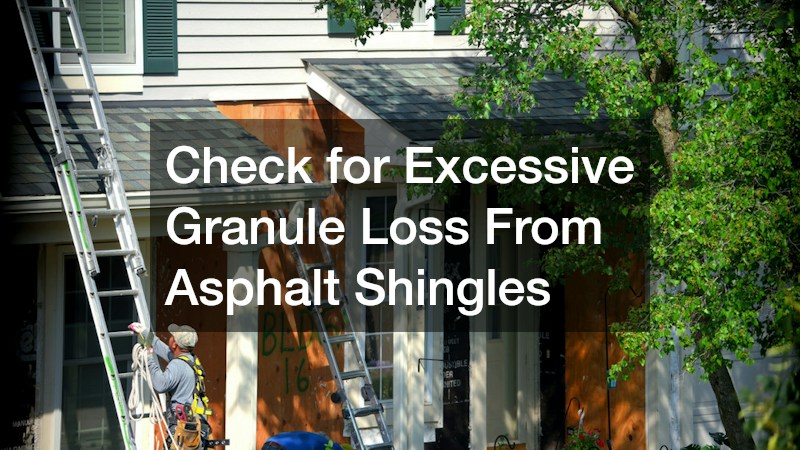
Asphalt shingles typically have a layer of granules that contributes to their performance and appearance. Some granule loss can occur over time, particularly after installation or during normal weather exposure. Significant or increasing loss, however, can be a sign of aging or deterioration.
Professional local roofers can evaluate whether the amount of granule loss is consistent with normal wear or indicates a broader roofing problem. Homeowners may notice granules accumulating in gutters or near downspout discharge areas.
Changes in the appearance of the roof can also provide clues. Areas where shingles look unusually bare, patchy, or different in color from surrounding sections may warrant closer inspection.
Granule loss should be considered alongside other factors. If the roof is relatively young and otherwise performing normally, the situation may differ considerably from an older roof that also has cracking, curling, leaks, and missing shingles.
Regular gutter maintenance can make changes easier to notice because homeowners become more familiar with what normally collects in the drainage system. When excessive granules appear repeatedly, arranging an inspection can help determine the condition of the shingles.
Determine Whether Repairs Are Becoming Too Frequent or Expensive
Roof maintenance is normal, and an occasional repair does not mean replacement is necessary. The calculation begins to change when homeowners repeatedly pay to address problems in different sections of an aging roof.
Keeping records of every roof repair can help homeowners identify patterns. Documentation should include the date, location, type of problem, cost, and work performed. Over several years, these records can show whether repairs are occasional events or becoming a regular expense.
Homeowners should also consider what each repair accomplishes. Spending money to correct isolated storm damage on an otherwise healthy roof may make sense. Repeatedly patching deteriorated materials across a roof nearing the end of its service life may provide diminishing value.
The disruption associated with recurring repairs matters as well. Frequent leaks can require interior cleanup, scheduling contractors, moving belongings, and repairing ceilings or walls in addition to paying for roofing work.
A professional assessment can help homeowners compare the condition of the entire system with the cost of continued repairs. Replacement may become more practical when widespread deterioration means new problems are likely to continue appearing.
Inspect Exterior Walls for Damage Connected to Roof Problems
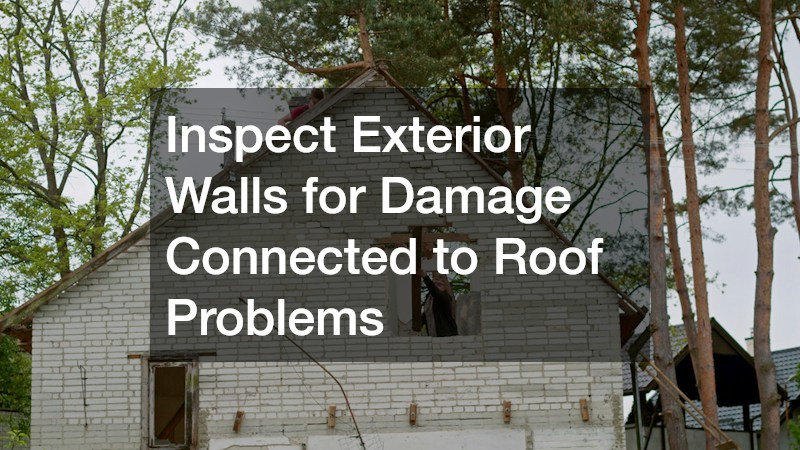
Roofing problems do not always remain confined to the roof. Water that is not properly managed can affect fascia, soffits, trim, siding, and other exterior materials.
Professional local siding contractors may identify deterioration that appears to originate near roof edges, wall intersections, or other areas where roofing and siding systems interact. Stains, rot, peeling finishes, warped materials, or recurring moisture can indicate that water is reaching places it should not.
Gutters and downspouts should also be considered during the investigation. A drainage problem may create symptoms that initially appear to be caused by roofing or siding, making it important to identify the actual source before repairs begin.
When roof replacement is already being considered, homeowners should inspect nearby exterior materials before construction. Coordinating necessary siding, fascia, soffit, or drainage work may prevent newly completed areas from needing to be disturbed later.
Exterior deterioration can provide important clues about how well the entire building envelope is managing moisture. Looking beyond the shingles helps homeowners understand whether a roofing problem has already begun affecting other parts of the property.
Look for Signs of Moisture or Daylight in the Attic
The attic can reveal roofing problems that are difficult to see from outside. Homeowners who can safely access the space should periodically look for visible changes, particularly after heavy rain or severe weather.
A professional residential roofing company can investigate damp decking, water stains, damaged insulation, visible openings, or other conditions that may indicate a roofing issue. Homeowners may also notice musty odors or areas where moisture repeatedly appears.
Visible daylight can sometimes indicate an opening that deserves investigation, although not every source of light necessarily represents damage. Roof and attic assemblies may contain intentional ventilation components. A professional can distinguish normal construction features from potential problems.
Ventilation and condensation should also be considered. Moisture inside an attic is not always caused by rain entering through damaged roofing. Indoor humidity and inadequate ventilation can contribute to condensation, so correctly identifying the source is important before repairs begin.
Regular attic observations can establish a baseline. Homeowners who know what the space normally looks and smells like may be more likely to notice changes before moisture produces obvious damage in finished rooms below.
Consider Replacement After Significant Storm or Weather Damage
Severe weather can dramatically change the condition of a roof in a short period. High winds, hail, falling branches, and other events may damage materials that were functioning normally before the storm.
A local residential roofing contractor can inspect the roof after significant weather and identify missing materials, impact damage, damaged flashing, punctures, or other concerns. Homeowners should avoid climbing onto the roof themselves, particularly when storm damage may have made surfaces unstable.
Not every storm requires roof replacement. Localized damage may be repairable when the majority of the system remains in good condition. The decision depends on the severity and extent of the damage as well as the roof’s preexisting condition.
Homeowners can document visible damage from safe locations and review their insurance policy if a potential claim is involved. Keeping photographs, inspection findings, estimates, and repair records organized can make it easier to understand what occurred.
Storm damage can also expose weaknesses in an older roof. When severe weather affects materials that were already substantially deteriorated, homeowners may need to consider whether replacement is more practical than attempting numerous separate repairs.
Know When Widespread Damage Makes Replacement More Practical Than Repairs
The clearest reason to consider a new roof is often not one specific defect but the combination of many problems across the system. An aging roof with recurring leaks, widespread shingle deterioration, granule loss, damaged flashing, and repeated repair history presents a different situation from a healthy roof with one damaged area.
Professional evaluations for local roof replacements can help homeowners understand the scope of work required when deterioration is extensive. Replacement provides an opportunity to address the roofing system comprehensively rather than continuing to repair individual symptoms.
Homeowners should compare estimates carefully and understand what is included. Roofing materials, removal of existing materials, underlayment, flashing, ventilation, decking repairs, disposal, warranties, and other components may influence the total project.
Timing can also matter. If replacement appears inevitable but the roof is not yet experiencing an emergency, homeowners may have more time to research materials, compare qualified contractors, review financing or savings options, and schedule the project appropriately.
The decision should ultimately be based on overall condition rather than fear of any single imperfection. A thorough inspection can provide the information needed to determine whether continued repair remains reasonable or replacement has become the more practical long-term approach.
Knowing when it is time for a new roof requires looking at the entire roofing system rather than waiting for one dramatic sign of failure. Some problems, such as a few missing shingles or an isolated flashing issue, may be repairable. Others become more significant when they occur repeatedly or appear across large portions of the roof.
Homeowners should pay attention to visible shingle deterioration, recurring leaks, granule loss, roofline changes, attic moisture, exterior wall damage, and storm-related problems. The age and repair history of the roof provide additional context. When several warning signs occur together, a professional inspection becomes especially important.