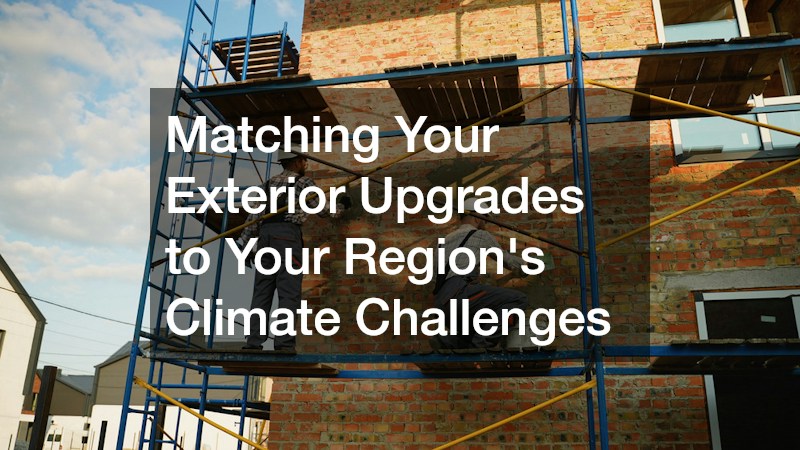
Your home’s exterior is its first line of defense against the weather, and what works in one part of the country can fail miserably in another. A homeowner in Phoenix faces entirely different challenges than one in Seattle or Minneapolis, yet many people make exterior upgrade decisions based on generic advice or whatever looks good on a showroom floor. Matching your materials, systems, and maintenance plans to your region’s actual climate patterns can save you thousands of dollars in repairs and extend the life of every upgrade you make. This guide breaks down the key exterior systems by climate challenge so you can invest wisely the first time.
Roofing Choices for Heavy Snow and Ice Regions
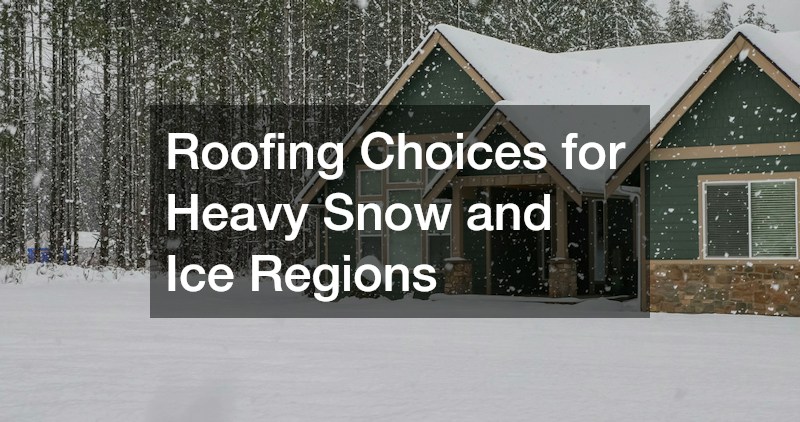
Homes in northern climates deal with freeze-thaw cycles, ice dams, and heavy snow loads that put serious stress on roofing systems. A roof that works great in the Southwest can crack, warp, or leak within a few seasons when exposed to repeated freezing and thawing. Material choice matters here: standing-seam metal roofing sheds snow efficiently and resists ice damage, while asphalt shingles rated for cold climates (look for ones with reinforced fiberglass mats) hold up better than standard three-tab versions. Steep pitches, proper insulation, and ventilation all play a role in how well a roof sheds snow and resists ice buildup along the eaves. A pitch of at least 6:12 helps snow slide off before it accumulates into dangerous loads, while roofs with lower slopes need extra reinforcement to handle sitting snow that can weigh over 20 pounds per square foot when wet. Ice dams form when heat escapes from the attic, melts snow on the upper roof, and refreezes at the colder eaves, creating a ridge that backs water up under shingles. Proper attic insulation (R-49 or higher in many northern codes) combined with ridge and soffit ventilation keeps the roof surface at a more consistent temperature, reducing the chance of this freeze-thaw cycle taking hold. Beyond the roofing material itself, details like ice-and-water shield membranes installed along the eaves and valleys, heat cables in chronic problem areas, and properly sealed flashing around chimneys and vents all add extra layers of protection. These smaller investments often make the difference between a roof that lasts 25 years and one that needs emergency repairs after the first harsh winter.
When it comes time to replace an aging roof, local roofers understand which materials hold up best against regional freeze patterns. Standing-seam metal panels are popular in heavy snow areas because their slick surface sheds accumulation quickly, reducing the weight load on the structure and lowering the risk of ice dams forming along the eaves. Architectural shingles rated for cold climates offer another solid option, especially when paired with proper underlayment designed to resist moisture infiltration during freeze-thaw cycles. Beyond material choice, roofers often recommend addressing attic ventilation and insulation at the same time, since poor airflow is a leading cause of ice dam formation. A roof that’s properly ventilated keeps the surface temperature more even, preventing the melt-and-refreeze cycle that damages shingles and leads to leaks. Pitch matters too — steeper slopes, generally 6/12 or greater, shed snow more effectively than low-slope designs. Getting a professional opinion before you choose materials can prevent costly mistakes down the road. A qualified roofer can also evaluate whether additional measures, like heat cables along the roofline or reinforced flashing around chimneys and vents, make sense for your specific home and climate zone.
- Metal roofing sheds snow and resists ice dam formation, with standing-seam panels outperforming shingled metal styles in heavy-snow regions
- Proper attic ventilation (balanced intake and exhaust) prevents uneven snowmelt and ice buildup by keeping the roof deck uniformly cold
- Adding 12-15 inches of attic insulation reduces heat loss that triggers melt-refreeze cycles along the eaves
- Synthetic underlayment adds an extra moisture barrier in wet, cold climates, outlasting traditional felt and resisting tearing during installation
- Self-adhering ice-and-water shield membrane along eaves and valleys offers added protection where ice dams typically form
- Steeper roof pitches (6:12 or greater) reduce snow load stress on the structure by encouraging natural shedding
- Reinforced trusses or rafters may be necessary in areas with heavy annual snowfall to meet local load requirements
Cooling System Demands in Hot and Arid Climates
In desert and southern regions, your cooling system works overtime for much of the year, which means it needs to be sized and maintained correctly to avoid constant breakdowns. Homes in these areas often benefit from higher-efficiency units paired with good insulation and reflective roofing to reduce the overall cooling load. Without these complementary upgrades, even a powerful system struggles to keep up during peak summer months.
Routine AC repair becomes far more common in climates where units run almost continuously from May through September. Scheduling a seasonal tune-up before the heat hits its peak can catch small issues, like refrigerant leaks or worn fan belts, before they turn into full system failures on the hottest day of the year.
- Reflective or light-colored roofing reduces attic heat gain
- Programmable thermostats help manage long cooling seasons efficiently
- Proper duct sealing prevents cooled air from escaping into attics or crawl spaces
- Annual tune-ups extend the lifespan of cooling equipment
Humidity and Moisture Control for Southern and Coastal Homes
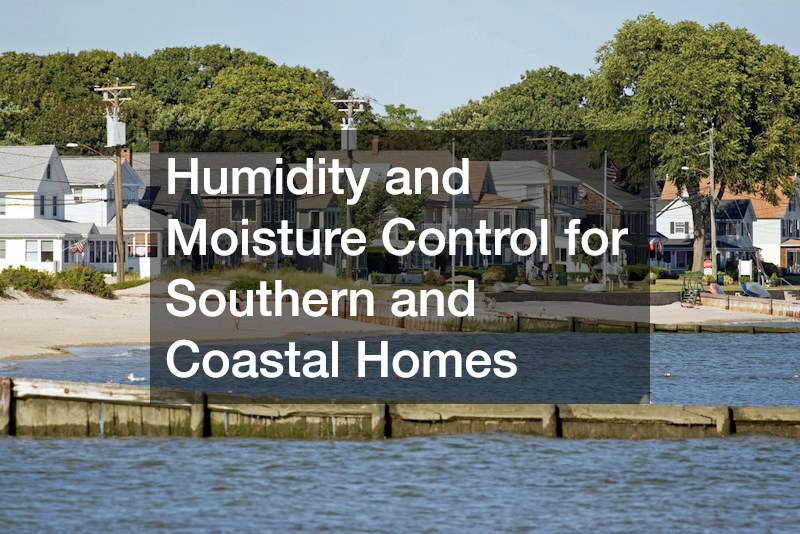
Humid climates bring a unique set of problems, including mold growth, wood rot, and accelerated wear on exterior finishes. Materials that aren’t rated for high moisture exposure can swell, warp, or deteriorate far faster than their manufacturer ratings suggest. Choosing moisture-resistant siding, trim, and fasteners is essential for homes in the Gulf Coast, Southeast, and other humid regions.
Underground systems are also vulnerable in wet climates, and persistent rain can saturate the soil around septic systems to the point of failure. A septic back up during a heavy storm season is not just inconvenient, it can be a genuine health hazard and an expensive cleanup. Homeowners in high-rainfall areas should have their septic systems inspected more frequently than those in drier climates, and grading the yard to direct water away from the drain field helps reduce risk significantly.
Wind and Storm Resistant Exterior Upgrades
Regions prone to hurricanes, tornadoes, or frequent high-wind events need exterior upgrades built specifically to withstand sudden, severe pressure changes. Impact-rated windows rated to withstand debris impact at speeds up to 140 mph or higher are a baseline consideration in hurricane-prone coastal areas, and many building codes in these zones now require them for new construction. Reinforced garage doors matter more than homeowners often realize, since a failed garage door can allow wind to pressurize a home from the inside, putting dangerous stress on the roof and walls. Securely fastened siding is another critical line of defense, and the fastening method matters as much as the material itself. Look for siding rated for high-velocity wind zones, with manufacturers often specifying wind-load ratings in pounds per square foot, and make sure installers use the correct nailing pattern rather than cutting corners on spacing. Roofing deserves special attention in these regions as well. Options like hurricane straps, reinforced roof decking, and sealed roof underlayment help keep the roof system intact when uplift forces try to peel it away. Even small gaps or weak points in an exterior envelope can become major failure points when wind speeds climb into dangerous territory, so attention to flashing, seams, and edge details is just as important as the primary materials chosen.
Roofing contractors in storm-prone regions often recommend enhanced fastening systems and wind-rated shingles or panels that exceed standard building codes. For example, asphalt shingles rated for 130 mph winds use six-nail patterns instead of the standard four, while metal panel systems rely on concealed clips and heavier-gauge fasteners to resist uplift. Many contractors also suggest upgrading to a sealed roof deck, where every seam is taped and sealed, preventing water intrusion even if shingles are damaged. These upgrades cost more upfront, often adding 10% to 20% to the total roofing bill, but they typically pay for themselves by avoiding the repeated repair cycles that under-built roofs require after every major storm. Homeowners should also factor in impact-resistant underlayment and reinforced ridge vents, both of which reduce vulnerability at the roof’s most failure-prone points. Beyond the roof itself, wind-rated garage doors and impact-resistant window shutters complete the storm-resistant envelope, since a single breach in any of these components can lead to pressurization issues that compromise the entire structure. Many insurers offer premium discounts for these combined upgrades, which can offset the initial investment over just a few years.
- Impact-rated windows protect against flying debris and resist pressure ratings up to 150+ mph in hurricane-prone zones
- Reinforced roof-to-wall connections (hurricane straps or clips) reduce uplift damage during high-wind events
- Wind-rated shingles (Class F or H) or standing seam metal panels perform better in sustained gusts than standard asphalt shingles
- Sealed soffits and vents keep wind-driven rain out of the attic while still allowing proper ventilation
- Reinforced garage doors prevent pressure buildup that can compromise roof structure from the inside
- Impact-resistant siding materials, like fiber cement, hold up better than vinyl in repeated debris strikes
- Securely anchored gutters and downspouts prevent them from peeling off and becoming airborne hazards during storms
Landscaping Adjustments for Drought Prone Areas
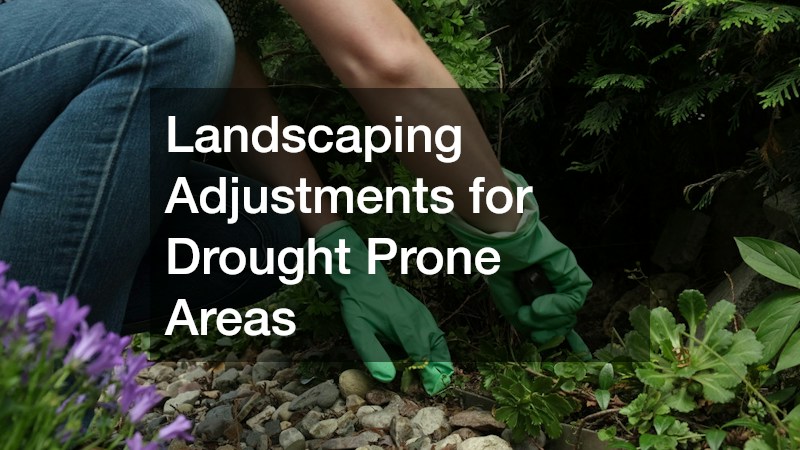
Water scarcity has pushed many homeowners in arid regions to rethink traditional lawns and garden beds in favor of drought-tolerant landscaping. Xeriscaping, native plant selection, and efficient irrigation systems all reduce water consumption while keeping a yard looking intentional rather than neglected. These changes also reduce long-term maintenance demands, which matters in climates where extreme heat makes yard work miserable for much of the year.
Groundcover materials matter too, and many homeowners in dry climates are turning to bark dust as a water-retaining mulch alternative to grass in high-exposure areas. It helps regulate soil temperature, suppresses weed growth, and cuts down on the amount of irrigation needed to keep garden beds healthy. Refreshing it every year or two keeps beds looking tidy while supporting the plants that are built to handle dry conditions.
Outdoor Living Structures Built for Local Weather Patterns
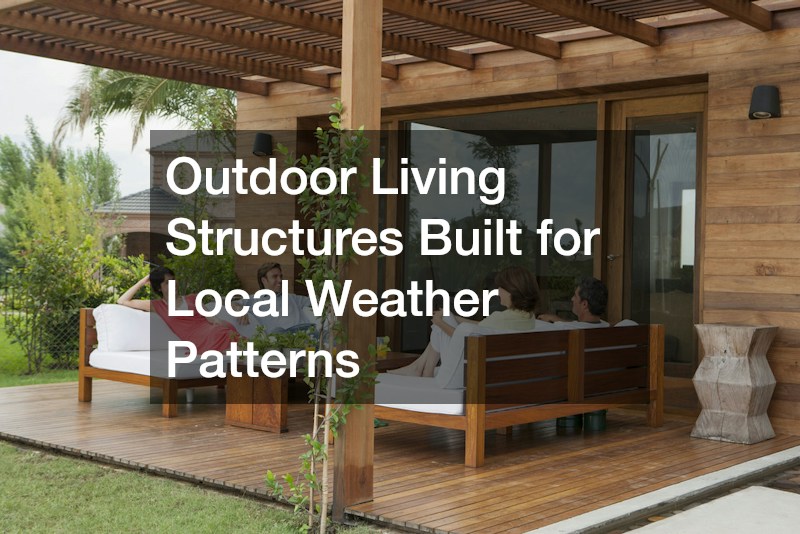
Decks, patios, and other outdoor living spaces need to be designed with regional weather in mind, not just aesthetics. In areas with heavy rain or snow, proper drainage beneath and around the structure prevents rot and ice damage, while in dry, sunny climates, material selection needs to account for UV exposure and cracking. A structure that looks great in a catalog photo may not hold up at all once it meets your specific climate.
Working with custom deck builders who understand local conditions means getting a structure designed with the right fasteners, board spacing, and foundation approach for your region. Composite materials might outperform wood in humid climates, while certain hardwoods handle dry heat better without splitting. Getting this input before construction begins saves significant money compared to retrofitting a poorly matched structure later.
- Composite decking resists rot and warping in humid climates
- Proper board spacing allows for expansion and contraction with temperature swings
- Elevated footings help prevent water pooling and foundation damage
- UV-resistant sealants extend the life of wood decking in sunny regions
Shade and Sun Control Solutions for High UV Regions
Intense sun exposure doesn’t just fade furniture and flooring, it drives up cooling costs and makes outdoor spaces unusable during peak daylight hours. Homeowners in the Southwest, parts of the Southeast, and high-altitude regions deal with UV intensity that can degrade exterior materials far faster than in cloudier climates. Strategic shade structures reduce heat gain on windows and patios while extending the usable hours of outdoor living spaces.
Retractable awnings offer flexible protection that can be adjusted based on the sun’s angle throughout the day and season. For homes with large windows or exposed patios, exterior sun shades provide another layer of defense, blocking a significant percentage of solar heat before it ever reaches the glass or living space. Combining these two solutions often delivers the best balance of comfort and energy savings.
- Retractable awnings allow seasonal adjustment for changing sun angles
- Exterior shades can block up to 90 percent of solar heat gain
- Both options reduce strain on cooling systems during peak summer months
- Shade structures extend the comfortable use of patios and decks
Severe Hail and Debris Impact Protection
In the Midwest and parts of the Great Plains, hail is one of the most destructive and frequent threats to a home’s exterior. Impact-resistant roofing materials, rated by Class 4 designations, hold up significantly better against hail strikes than standard asphalt shingles. Insurance companies in hail-prone states often offer premium discounts for homes with upgraded impact-resistant roofing, which can offset some of the higher upfront material cost.
After a major hailstorm, scheduling an inspection quickly matters, since damage isn’t always visible from the ground. A full roof replacement becomes necessary more often in these regions simply due to the cumulative impact of repeated storms over the years, even when individual events don’t cause total failure. Keeping records of storm dates and prior repairs also helps when filing insurance claims for future damage.
- Class 4 impact-rated shingles resist cracking and granule loss
- Post-storm inspections catch damage not visible from ground level
- Insurance discounts are often available for impact-resistant materials
- Documentation of storm history supports smoother claims processing
Seasonal Maintenance Planning Across Climate Zones
No matter where you live, exterior systems need a maintenance rhythm that matches your climate’s seasonal demands. Homes in freeze-thaw regions need gutter and roof checks before winter, while homes in hot, dry climates need irrigation and cooling system checks before peak summer. Building a simple seasonal calendar helps homeowners stay ahead of problems instead of reacting to emergencies.
Reliable air conditioning services during the shoulder seasons, rather than waiting until the first heatwave, often means shorter wait times and more thorough inspections. Pairing seasonal HVAC checks with gutter cleaning, deck sealing, and landscaping refreshes creates a maintenance routine that protects your entire exterior investment year-round.
- Spring: inspect roofing, clean gutters, service cooling systems
- Summer: check irrigation, shade structures, and deck sealant
- Fall: winterize plumbing, inspect roof for storm damage, clear debris
- Winter: monitor for ice dams, check attic insulation and ventilation
Upgrading your home’s exterior is a significant investment, and the best returns come from choices tailored to your specific regional climate rather than one-size-fits-all solutions. Take time to research the materials and systems best suited to your area’s weather patterns, and don’t hesitate to consult local professionals who see firsthand how these elements perform over time. Starting with a seasonal maintenance plan and addressing your highest-risk systems first will help you prioritize upgrades without overwhelming your budget. Your home will thank you with fewer emergency repairs and a longer lifespan for every improvement you make.