
Your house doesn’t send a text message when it starts to wear out. Instead, it whispers through small cracks, sticky windows, and odd noises that are easy to dismiss as normal aging. But some of these signs point to problems accelerating faster than typical wear and tear, and catching them early can save you thousands of dollars. This guide walks through the warning signs that suggest your home is aging faster than it should, and what to do about each one.
Roof Shingles Curling or Losing Granules
Your roof takes the brunt of sun, rain, wind, and temperature swings, so it’s often the first place accelerated aging shows up. Shingles that curl at the edges, crack, or shed granules into your gutters are telling you the protective layer is breaking down faster than expected. A roof rated for 25 years can fail in 15 if ventilation is poor or installation was rushed.
If you notice daylight through the attic boards or water stains on ceilings after storms, it’s time to call in roofers before a small leak becomes a structural issue. Professional roofers can assess whether you need a patch job or a full replacement, and catching the problem early almost always costs less than waiting.
- Granules collecting in gutters or at downspout exits
- Dark streaks or moss patches on shaded roof sections
- Sagging rooflines visible from the street
- Missing or lifted shingles after windstorms
Windows That Fog, Stick, or Let in Drafts
Windows are a surprisingly reliable indicator of how well a house is aging. Foggy glass between panes means the seal has failed and insulating gas has escaped, which reduces energy efficiency significantly. Wood frames that swell, stick, or feel soft to the touch are often holding hidden moisture damage behind the trim.
Many homeowners wait years longer than they should before considering window replacements, not realizing how much heat and cooling loss is happening through old frames. Upgrading to modern, properly sealed units can noticeably lower utility bills while also improving comfort near exterior walls. If your windows are original to a home built before the early 2000s, it’s worth having them evaluated.
- Condensation or fogging trapped between glass panes
- Difficulty opening or closing windows smoothly
- Visible gaps letting in outside air
- Rotting or soft wood around the frame
Garage Doors That Sag, Squeal, or Reverse Unexpectedly
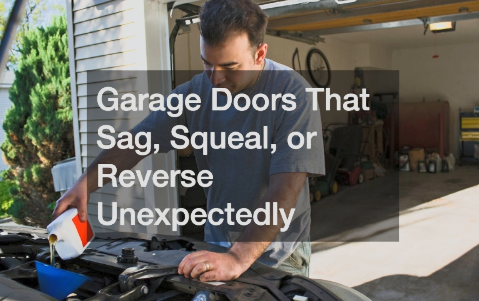
The garage door is one of the largest moving parts of a house, and its condition often reveals how the whole structure is settling. A door that sags on one side, grinds during operation, or reverses without reason may be dealing with worn springs, misaligned tracks, or a frame that has shifted with the foundation. These issues rarely resolve themselves and tend to worsen quickly once they start.
Because garage doors involve heavy tension springs and electrical sensors, this is one repair best left to garage door companies rather than a weekend fix. A professional inspection can determine whether the issue is mechanical wear or a symptom of foundation movement affecting the surrounding frame. Ignoring the noise or sag often leads to a full system failure at the worst possible time.
- Visible sagging or unevenness across the door panel
- Loud grinding, popping, or squealing during operation
- Door reversing before fully closing
- Slow response time when using the opener
Flickering Lights and Warm Outlet Covers
Electrical systems age differently than other parts of a home because the wiring is hidden behind walls, making problems harder to spot until they become dangerous. Flickering lights, outlets that feel warm to the touch, or breakers that trip repeatedly are signs the system is being pushed beyond its original design. Homes built more than 30 years ago were rarely wired for the number of devices modern households run simultaneously.
Rather than guessing at the cause, it’s worth having a licensed electrical contractor evaluate the panel, wiring age, and outlet load. A contractor can also check for outdated aluminum wiring or knob-and-tube systems, which insurance companies increasingly flag as liabilities. Addressing these issues proactively protects both your home’s safety and its resale value.
- Lights that dim or flicker without an obvious cause
- Outlets or switch plates warm to the touch
- Breakers tripping more frequently than before
- A persistent burning smell near outlets or the panel
Cracked Driveways and Uneven Walkways

Outdoor concrete and pavement age faster than most homeowners expect, especially in climates with freeze-thaw cycles. Cracks that widen year over year, sections that pool water after rain, or walkways that have visibly shifted often point to erosion or settling happening underneath the surface. These issues rarely stay cosmetic for long and can eventually affect the stability of nearby structures like porches or garages.
A consultation with a local hardscaping specialist can identify whether the cause is drainage, soil movement, or simply aging materials that need replacement. Fixing these problems early prevents tripping hazards and keeps water from being funneled toward your foundation. Hardscaping work also tends to be far cheaper to repair in small sections than to replace entirely once damage spreads.
- Cracks wider than a quarter inch or spreading over time
- Water pooling on walkways or the driveway after rain
- Uneven joints between pavers or concrete slabs
- Visible gaps between hardscaping and the house foundation
Overgrown or Poorly Draining Yards
A yard that looks unkempt isn’t just a curb appeal issue, it can be actively accelerating damage to your home. Overgrown roots near the foundation, soil that slopes toward the house instead of away from it, and standing water after rainfall are all signs the landscaping around your property needs attention. Left unaddressed, these conditions can lead to basement moisture, cracked foundations, and pest infestations.
Bringing in a landscaping service to regrade slopes, improve drainage, and manage plant growth near the home can prevent a surprising number of structural headaches down the road. Many homeowners don’t realize how much water management above ground protects what’s happening below ground. Simple changes like redirecting downspouts and adding proper grading often solve problems that seemed mysterious for years.
- Soil sloping toward the house instead of away
- Water pooling near the foundation after storms
- Tree roots visibly close to the foundation or walkways
- Mulch or soil piled against siding, trapping moisture
Warped, Squeaky, or Discolored Flooring
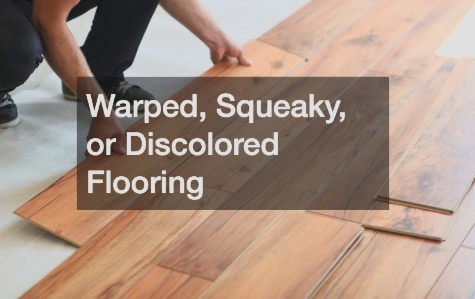
Flooring often reveals moisture problems long before they become visible anywhere else in the house. Warped boards, persistent squeaks, or dark discoloration near baseboards can indicate humidity trapped beneath the surface. Tile that cracks in a consistent pattern may also point to subfloor movement rather than a simple installation defect.
A reputable flooring company can inspect the subfloor to determine whether the damage is cosmetic or a sign of a deeper leak or structural shift. In many cases, replacing a few damaged sections is enough, but widespread warping usually means the moisture source needs to be addressed first. Waiting too long on flooring issues often leads to mold growth, which is a far more expensive problem to fix.
- Boards that cup, buckle, or feel spongy underfoot
- Persistent squeaking in the same spots
- Discoloration or staining near walls or vents
- Tile or grout cracking in a repeating pattern
Outdated Kitchens That No Longer Function Well
Kitchens age in ways that go beyond style, and functional decline is often a better indicator of a home’s condition than outdated colors or fixtures. Cabinet doors that no longer close flush, drawers that stick, and shelves that sag under normal weight suggest the materials have reached the end of their useful life, particularly if the boxes are made of particleboard rather than solid wood or plywood. Hinges that require constant adjustment and cabinet frames that feel loose when pushed are additional signs the structure is failing rather than just needing cosmetic fixes.
Water damage under sinks, often caused by slow leaks, can also quietly weaken cabinet structures for years before it’s noticed. A telltale sign is swelling or dark staining along the cabinet floor beneath the plumbing, along with a musty smell that persists even after cleaning. By the time this damage is visible, the particleboard base has often absorbed enough moisture to lose its structural integrity, meaning the cabinet may need full replacement rather than a simple repair.
Countertops tell a similar story. Laminate that’s peeling at the seams, tile grout that’s cracked or stained beyond cleaning, and stone surfaces with deep etching or chips all point to surfaces nearing 15 to 25 years of age, depending on material. Combined with cabinetry issues, these signs suggest the kitchen’s core components are aging in tandem, which typically signals it’s time for a broader renovation rather than piecemeal fixes.
When kitchen cabinets show signs like swollen particleboard, doors that no longer sit flush, or hinges that keep pulling loose from the frame, it’s usually more cost effective to consider a broader home remodeling project rather than patching individual pieces. Constant repairs add up quickly, and a single new cabinet box can run several hundred dollars once you factor in matching finishes and hardware.
Replacing cabinetry alongside outdated plumbing or electrical work behind the walls prevents the need to redo the space again in a few years. If your kitchen still has two-prong outlets, cloth-wrapped wiring, or galvanized pipes feeding the sink, those issues will only get more expensive to address once new cabinets are installed on top of them.
A kitchen that functions poorly can also be a red flag for moisture or pest issues hiding out of sight. Soft spots under the sink, a musty smell inside cabinets, or small droppings in corners often point to leaks or pest activity that has been developing for months. Catching these problems during a remodel, rather than after new cabinets are already in place, saves you from tearing out fresh work to fix damage underneath.
- Cabinet doors or drawers that stick, sag, or won’t close due to warped wood or worn-out hinges and slides
- Soft or swollen wood under sinks, often a sign of long-term leaks that can spread to the subfloor
- Peeling laminate or veneer on cabinet surfaces, especially near the stove or dishwasher where heat and moisture take a toll
- Persistent musty odor inside cabinets, which can point to hidden mold growth or trapped moisture behind the walls
- Countertops with visible cracks, chips, or dull, worn-through surfaces near the sink and stove
- Flooring that feels spongy, uneven, or shows gaps between tiles or planks
- Outlets or switches that spark, feel warm, or no longer hold a GFCI reset, signaling outdated or failing wiring
Patios and Outdoor Living Spaces Showing Structural Wear
Patios take on constant exposure to sun, rain, and temperature swings, which makes them one of the faster aging features of a home. Cracking pavers, shifting stone, or a patio surface that no longer drains properly are signs the base beneath it has begun to erode or settle unevenly. This kind of damage tends to accelerate once water starts collecting in low spots.
Reaching out to patio services for an inspection can help determine whether the fix is a simple releveling or a full rebuild of the base layer. Because patios are often connected to the home’s overall drainage plan, addressing problems here can also reduce water intrusion risks elsewhere on the property. A well-maintained patio not only looks better but protects the surrounding structure from long-term moisture damage.
- Pavers or stones shifting out of alignment
- Water pooling instead of draining off the surface
- Cracks appearing along patio edges or seams
- Weeds growing steadily through joints, signaling base erosion
None of these warning signs mean your home is beyond saving, but ignoring them tends to turn manageable repairs into expensive emergencies. The key is paying attention to small changes and addressing them while they’re still isolated problems rather than symptoms of a bigger issue. Walk through your home this weekend with this list in hand, and note anything that looks familiar. Getting a professional opinion sooner rather than later is almost always the more affordable path forward. Reach out to local professionals in your area to get started with bringing new life into your aging home. We hope that this guide was able to help you understand the benefits of remodeling!