Not every home improvement dollar comes back to you at resale, but some upgrades consistently deliver strong returns within a five-year window. Knowing which projects actually pay off can help you prioritize your budget, avoid wasted spending, and make choices that boost both daily comfort and long-term property value. This guide walks through the upgrades worth considering, from big mechanical systems to smaller cosmetic touches, so you can invest with confidence.
Upgrading Your Heating and Cooling Systems for Long Term Savings
Few upgrades matter as much to buyers and homeowners alike as a reliable, efficient heating and cooling system. An outdated furnace or air conditioner not only drives up utility bills but can also become a major red flag during a home inspection. Scheduling regular HVAC service keeps your system running efficiently and can extend its lifespan by several years, delaying the need for a costly full replacement. Homeowners who invest in newer, energy-efficient equipment often recoup a significant portion of that cost through lower monthly bills and stronger resale appeal.
Beyond the equipment itself, proper maintenance plays a huge role in protecting your investment. A well-maintained system reassures potential buyers that they won’t inherit a expensive repair bill shortly after moving in.
- Replace air filters every one to three months to reduce strain on the system
- Schedule professional tune-ups twice a year, ideally before summer and winter
- Seal ductwork leaks to improve efficiency by up to 20 percent
- Consider a programmable or smart thermostat for additional energy savings
Keeping Cool Air Flowing Without Overspending
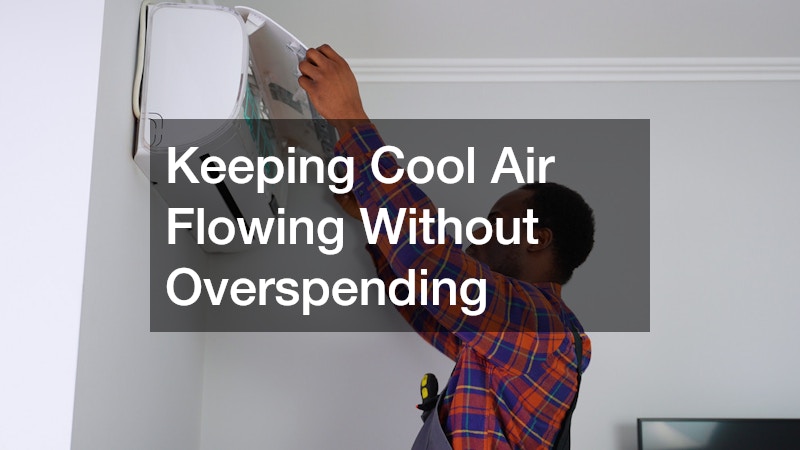
Air conditioning is one of the first things buyers ask about in warmer climates, and a poorly functioning unit can quickly tank a home’s perceived value. A system that struggles to keep a house below 75 degrees on a summer afternoon raises immediate red flags during a walkthrough, even if every other room has been beautifully updated. Routine AC service catches small issues, like low refrigerant, a failing capacitor, or a clogged condensate line, before they turn into total system failures. An annual tune-up typically runs $75 to $200, while a full system replacement can cost anywhere from $5,000 to $12,000 depending on unit size and ductwork condition. Staying ahead of minor repairs is one of the most cost-effective ways to protect your investment. Beyond avoiding a costly breakdown, regular maintenance also extends the lifespan of the unit itself. Most AC systems are built to last 12 to 15 years, but neglecting filters, coils, and fan components can shave years off that timeline. Simple habits, like swapping air filters every one to three months, help the system run without unnecessary strain. A well-serviced system also tends to run quieter and more efficiently, which is a subtle but noticeable selling point during showings. Buyers and inspectors alike will notice if a unit cycles smoothly and maintains consistent airflow room to room, versus one that clanks on and struggles to keep up.
Replacing an Aging Roof Before It Becomes a Liability
Roofing is one of the upgrades that buyers and appraisers scrutinize most closely, since a failing roof signals expensive problems ahead. Most asphalt shingle roofs last 20 to 25 years, and once a home approaches that window, an inspection becomes worth scheduling even if there’s no visible leak yet. Bringing in experienced roofers to assess wear, flashing issues, curling shingles, or granule loss early can prevent small leaks from turning into structural damage that spreads into rafters and ceiling drywall. A full roof replacement typically costs between $9,000 and $20,000 depending on materials, roof pitch, and square footage, and it often recovers 60 to 70 percent of that cost at resale. But the bigger financial win is avoiding what happens when a roof is left to fail quietly: water intrusion, mold growth behind walls, and ruined attic insulation, all of which cost far more to remediate than the roof itself would have cost to replace. Not every aging roof needs a full teardown. If the decking is sound and damage is isolated to one section, a targeted repair, such as replacing flashing around chimneys and vents or swapping out a patch of damaged shingles, can add several years of usable life at a fraction of the cost. A qualified roofer can usually tell within one inspection whether a home is a candidate for repair or genuinely needs full replacement, which makes that initial assessment a worthwhile investment on its own.
A sagging roofline, curling shingles, or water stains on the ceiling are all signs that a roof is nearing the end of its useful life. Waiting too long to replace it can lead to structural damage, mold growth, and higher repair bills down the road. Catching the problem early and budgeting for replacement keeps a manageable expense from turning into an emergency. When comparing quotes, it helps to get at least three estimates from different roofing companies to understand the range of materials and pricing available. Costs can vary widely based on material choice, roof pitch, and regional labor rates. Asphalt shingles remain the most budget-friendly option, typically running $4 to $7 per square foot installed, while metal roofing can cost $9 to $14 per square foot but often lasts 40 to 70 years. Beyond price, ask each contractor about warranty terms, underlayment quality, and whether the old roof will be fully torn off or layered over, since shortcuts here can shorten a new roof’s lifespan. Steeper roofs and multiple layers of tear-off usually add to labor costs, so factor that into your comparisons. A well-installed roof not only protects the home but also boosts resale value and curb appeal, making it one of the more reliable investments a homeowner can make.
- Asphalt shingles remain the most budget-friendly option, averaging $8,000-$12,000 for a full replacement with roughly 60-70% cost recouped at resale
- Metal roofing costs more upfront (often $15,000-$25,000) but can last 40-70 years versus 15-20 for asphalt, making it a smarter long-term bet if you plan to stay put
- Ask about warranty coverage for both materials and workmanship, since manufacturer warranties often don’t cover installation errors
- Look for a minimum 25-year materials warranty and at least 5-10 years of labor coverage from the contractor
- Confirm proper attic ventilation is included in the project scope, as poor airflow can void shingle warranties and accelerate wear
- Ask whether the quote includes removal of old materials and any necessary decking repairs, since these are common hidden costs
Solving Plumbing Problems Before They Escalate
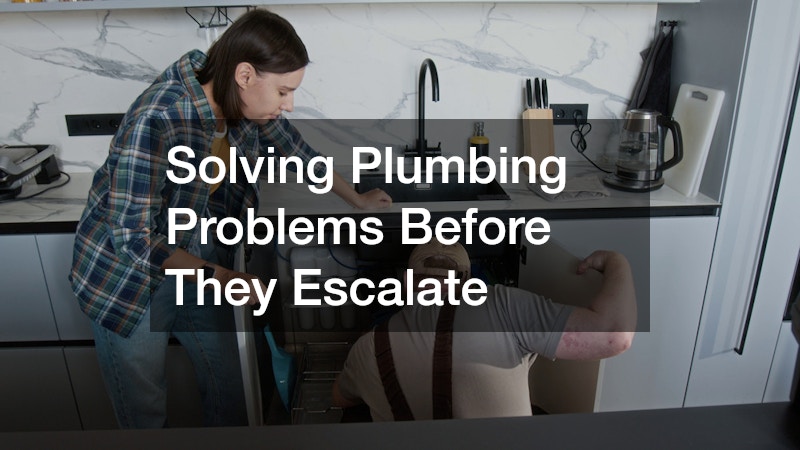
Plumbing issues rarely improve on their own, and slow drains or recurring clogs are often early warning signs of bigger problems in the pipes. A drain that gurgles, backs up monthly, or clears only temporarily after a store-bought treatment usually points to something deeper, like a partial blockage, a bellied pipe section, or roots growing into an old clay line. Professional drain services can clear blockages, inspect for root intrusion, and identify aging pipe materials that may need replacing soon, often using camera inspections that pinpoint the exact location and severity of a problem before it becomes an emergency. Cost is where the proactive approach really pays off. Clearing a stubborn drain or repairing a small section of pipe typically runs a few hundred dollars, while a burst pipe or sewage backup can easily cost several thousand dollars once you factor in water extraction, drywall repair, flooring replacement, and mold remediation. Homes with galvanized steel or older cast iron plumbing are especially at risk, since these materials corrode from the inside and can fail with little warning after 40-50 years in service. Addressing these issues proactively is far cheaper than dealing with a burst pipe or sewage backup later, both of which can cause thousands of dollars in water damage. Beyond the repair costs, sudden failures often mean displaced living arrangements, insurance claims, and lost time that a scheduled repair simply avoids. Buyers and inspectors alike view a clean plumbing report as a strong point of confidence in a home’s overall condition, and it can prevent last-minute negotiations or price reductions during a sale.
Refreshing Interior and Exterior Paint for Maximum Impact
Paint is consistently ranked among the highest-return upgrades because it is relatively inexpensive yet dramatically changes how a home looks and feels. Hiring skilled painters ensures clean lines, proper surface preparation, and a finish that lasts for years rather than peeling within months. Fresh paint in neutral, modern tones can make rooms feel larger and brighter, which appeals to a wider range of buyer tastes. Exterior paint refreshes also boost curb appeal significantly, often being one of the first things a potential buyer notices.
Timing and quality matter just as much as color choice. A rushed paint job with poor prep work can actually hurt a home’s appearance and require redoing sooner than expected.
- Choose neutral colors like soft gray, greige, or warm white for broad appeal
- Prioritize high-traffic areas like kitchens, living rooms, and entryways
- Don’t skip primer on stained or previously dark-painted walls
- Refresh trim and doors for a crisp, finished look
Adding Value With Kitchen Surface Upgrades
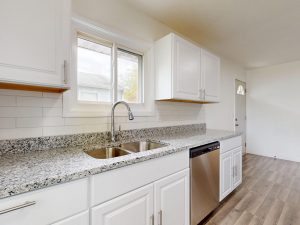
The kitchen is often called the heart of the home for a reason, and countertop upgrades are one of the most visible ways to modernize the space. Granite countertops remain a popular choice because they combine durability with a timeless, upscale appearance that appeals to a broad range of buyers. Unlike trendier materials, granite has a long track record of holding its value and resisting scratches, heat, and stains when properly sealed. This makes it a safer bet for homeowners who want a project that pays off both aesthetically and financially within a shorter timeframe.
Maximizing Storage With Organized Closet Systems
Storage is one of the most underrated factors in a home’s perceived value, and buyers consistently rank closet space as a top priority. Installing custom closets transforms wasted space into functional, organized storage that feels like a luxury upgrade without requiring major construction. According to industry estimates, homeowners typically recoup 50% to 60% of the cost through added resale value, making it one of the more efficient investments on a room-by-room basis. These systems can be tailored to fit specific needs, whether that means shoe racks, adjustable shelving, pull-out drawers, or built-in jewelry and accessory compartments. Walk-in closets can incorporate islands, full-length mirrors, and dedicated hampers, while smaller reach-in closets benefit from double-hang rods and vertical shelving that maximizes every inch. Material choices range from budget-friendly laminate to premium wood veneers, allowing the upgrade to scale with almost any renovation budget. Because the cost is relatively modest compared to other renovations, typically ranging from $1,500 to $5,000 depending on size and materials, the return in both daily usability and resale appeal tends to be strong. Real estate agents often note that organized closets help buyers visualize a home as move-in ready, since visible storage solutions suggest the rest of the house is equally well-maintained. This small psychological edge, combined with the practical benefits, makes custom closets a smart, low-risk upgrade for homeowners planning to sell within a few years.
Improving Curb Appeal With Functional Outdoor Features

Exterior upgrades often get overlooked, but they play a major role in first impressions and can be surprisingly affordable. Updating a driveway or side entrance with quality gate supplies adds both security and a polished, finished look that buyers notice immediately. A well-maintained gate signals that the rest of the property has likely been cared for too, which builds buyer confidence before they even step inside. These upgrades also offer practical benefits for current homeowners, including added privacy and peace of mind for families with children or pets.
Modernizing Utility Connections for Safety and Efficiency
Older homes sometimes rely on outdated gas connections that no longer meet current safety codes or efficiency standards. Professional gas line installation ensures that appliances like stoves, dryers, and water heaters are connected safely and up to code, reducing fire risk and potential liability. This upgrade is especially valuable for homeowners looking to add gas-powered features, such as outdoor fire pits or upgraded ranges, which are increasingly popular with buyers. While it’s a less glamorous upgrade, proper gas line work protects both safety and resale value in ways that are easy to overlook until an inspection flags them.
The upgrades that pay off best within five years tend to combine practical necessity with visible, tangible improvement. Whether you start with a critical system repair or a simple cosmetic refresh, prioritizing projects with proven returns helps you spend wisely rather than reactively. Before committing to any major renovation, get multiple professional quotes and focus on the improvements that align with both your budget and your home’s specific needs.