Drain clogs are not only inconvenient but also costly if left unchecked. The article below explains how some routine behaviors, seemingly harmless, significantly contribute to these blockages and offers effective methods to prevent them. Understanding the common causes of drain clogging will help you maintain clear pipes and avoid recurring issues.
The buildup of daily debris is often overlooked until water begins to back up. Many individuals are unaware that their actions can have a lasting impact on their plumbing systems.
By adjusting these minor habits, you’ll extend the life of your drainage systems and spare yourself the inconvenience of frequent repairs. Protect your home’s plumbing system and prevent unexpected backups with professional drain cleaning services.
This comprehensive guide will delve into the primary culprits behind clogs, highlight what shouldn’t be flushed or rinsed down the drain, and provide tips to maintain free-flowing pipes. With thoughtful practices, a little effort can go a long way in maintaining plumbing efficiency and avoiding the need for costly intervention.
Why Does My Drain Keep Clogging?
The kitchen and bathroom are two of the most common areas where drain clogs originate. One predominant habit that leads to clogs is the improper disposal of grease. Grease, when rinsed down the sink, cools and solidifies, forming a stubborn blockage within the pipes over time.
Hair accumulation in showers and bathroom sinks is another major contributor to clogs. Inevitably, during washing or shaving, hair strands slide down the drain. If not regularly cleared, these strands tangle and form dense, hairball-like obstructions within the plumbing.
Finally, the household habit of flushing non-flushable items such as wet wipes and feminine hygiene products can promptly obstruct pipes. These materials fail to dissolve quickly, contributing to sewer and septic system backups. A conscientious approach involves understanding what your plumbing system can handle and adjusting waste disposal methods accordingly.
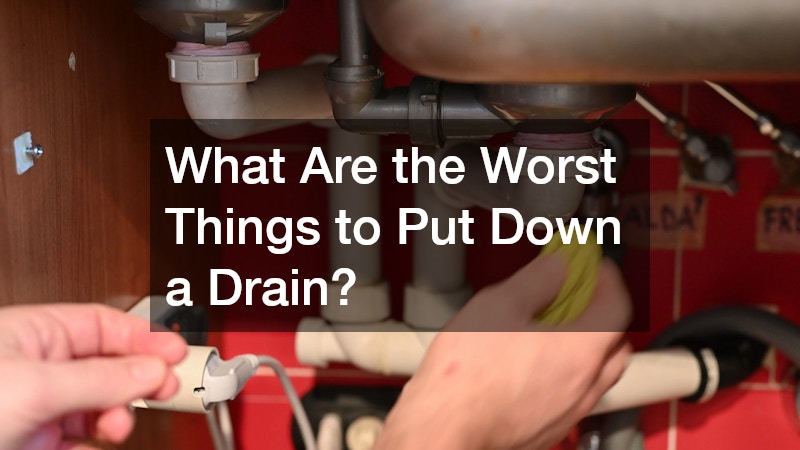
What Are the Worst Things to Put Down a Drain?
Misjudging what drains can handle leads to persistent clogging issues. Among the top offenders are coffee grounds, which people often perceive will dissolve just like coffee itself. Unfortunately, coffee grounds clump together, forming a paste-like substance that sticks inside pipes, promoting further build-up.
Egg shells, while seemingly innocuous, don’t disintegrate swiftly enough to be safe for drains. The eggshell membranes are particularly troublesome, as they can catch on rough pipe interiors. Over time, calcium deposits from the shells can also contribute to the narrowing of pipe passages.
Oil and fats, much like grease, solidify assuming a sticky state within the plumbing. These remnants encourage other debris to adhere as well, exacerbating obstructions. The consensus among experts is that these substances should be absorbed using paper towels and discarded in trash bins to prevent persistent clogs.
How Can I Prevent Clogged Drains?
The best offense against clogs is a good defense, which begins with adequate plumbing care. Practicing proper waste disposal can alleviate most clogging issues; consider using sink strainers that catch food particles and debris. For fats and oils, storing them temporarily in jars until solid and discarding them properly helps maintain clear pipes.
Routine maintenance goes a long way. For instance, regular flushing of pipes with hot water can help dissolve minor buildups. Additionally, using a mixture of baking soda and vinegar as a natural cleaner can clear minor blockages and deodorize effectively.
Investing in professional drain cleaning, especially if your home frequently experiences clogs, can save money in the long term. These inspections help diagnose potential issues before they escalate into significant problems. Adaptability in practices improves the longevity and efficacy of plumbing systems, ensuring uninterrupted water flow.
In summary, the sneaky behaviors discussed, such as improper disposal of grease and flushing non-flushable items, contribute heavily to drain clogs. Avoidance of problematic materials like coffee grounds and egg shells further prevents inconvenience and costly repairs. By adopting proactive waste disposal habits, households can drastically reduce the likelihood of clogs.
Mindfulness of our habits is indispensable to maintaining healthful household systems. Small changes, such as installing drain filters and correctly disposing of kitchen waste, stand out as preventative measures. Such future-focused strategies are ideal for ensuring the longevity and functionality of plumbing setups in any home. Hydrojetting is a highly effective plumbing maintenance and clearing method that uses extremely high-pressure water to blast away stubborn clogs, grease, and debris from the inside of your pipes.
Unlike traditional drain snaking—which simply punches a hole through a blockage—hydrojetting acts like a pressure washer for your sewer line, completely scouring the pipe walls clean. Embracing these habits not only contributes to home maintenance but also plays a part in broader environmental stewardship. A clear drain signifies more than an efficiently functioning household; it reflects conscientious and responsible living. The effort put into these practices is indeed as rewarding as the peace of mind that comes from knowing you’re taking care of your home.