Building or renovating a home is one of the biggest financial and emotional investments most people ever make, and the difference between a smooth project and a stressful one almost always comes down to planning. Before you pick paint colors or dream about kitchen islands, you need a clear roadmap that covers land, budget, professionals, and timing. This guide walks you through the practical decisions that turn a vague dream into a livable, durable home. Whether you are starting from bare land or reimagining an existing property, the strategy you set now will save you money and headaches later.
Clarifying Your Vision Before You Break Ground
Every successful project starts with a clear picture of how you actually want to live in the space, not just how it should look in photos. Sit down and list your non-negotiables, such as number of bedrooms, home office needs, or outdoor living space, before talking to anyone about design. This clarity prevents costly mid-project changes and helps every professional you hire understand your priorities from day one.
It also helps to separate wants from needs so your budget stays realistic as decisions get made. A written list keeps you grounded when trendy upgrades tempt you to overspend on things that do not matter to your daily life.
- Write down your top five must-have features
- Identify rooms or spaces you rarely use in your current home
- Note lifestyle changes expected in the next ten years
- Set a rough budget range before shopping for land or plans
Selecting Land and Planning the Build
The lot you choose shapes nearly every decision that follows, from foundation type to drainage to how much sunlight your living room gets in winter. Soil quality, slope, and access to utilities can add unexpected costs to new home construction if they are not evaluated early. A soil test and a conversation with a surveyor before you close on land can prevent surprises once excavation begins.
Local zoning rules and setback requirements also affect what you can build and where. Take time to understand permitted lot coverage and height restrictions so your dream layout actually fits the property you are considering.
- Request a perc test if the property uses a septic system
- Check flood zone maps before finalizing a purchase
- Confirm utility access, including water, sewer, and electric lines
- Ask about easements that could limit your building footprint
Building Your Team of Professionals

A successful project depends on assembling the right people early, not scrambling to fill gaps once construction has started. Before you sign any contracts, take time to interview at least three candidates for each key role and check references from projects completed within the last two to three years. This upfront diligence often prevents costly miscommunications down the road, since swapping out a professional mid-project can add weeks of delay and thousands of dollars in rework.
Custom home builders bring design flexibility and hands-on management for projects built entirely to your specifications, which is valuable if you want a layout that does not exist in any standard plan book. They typically coordinate architects, engineers, and subcontractors so you are not managing every relationship yourself, acting as the single point of contact when questions about materials, timelines, or budget arise.
When evaluating custom home builders, ask about their typical project size, average completion timeline, and how they handle change orders once framing is underway. Look for licensing, bonding, and insurance documentation, and request a walkthrough of a home they finished in the past year to gauge craftsmanship firsthand. A builder who welcomes these questions and provides clear, itemized answers is signaling the kind of transparency you will want throughout a months-long build.
For many projects, hiring a local general contractor is the most practical route, especially if you already have architectural plans or are working within an existing neighborhood’s style. A local contractor understands regional building codes, weather patterns, and permit offices, which speeds up approvals and reduces rework. Their established relationships with local inspectors and subcontractors can also shave weeks off your timeline.
When vetting candidates, ask for at least three references from projects completed within the past two years, and request contact information for jobs similar in scope to yours. A reputable local general contractor should also carry both liability insurance and workers’ compensation coverage—don’t hesitate to ask for certificates directly from their insurer. Confirm they’re licensed and bonded in your state, since requirements vary widely by location.
Visiting a current job site tells you more than any portfolio photo. Notice how organized the site is, whether workers follow safety protocols, and how the crew communicates with the homeowner if they’re present. Pay attention to the quality of materials being used and whether the pace of work seems steady rather than rushed or stalled.
Finally, get at least three written bids before making a decision, and compare them line by line rather than focusing solely on the bottom number. A bid that’s significantly lower than others may signal corners being cut on materials or labor. Clarify payment schedules upfront, since reputable contractors typically tie payments to project milestones rather than requesting large sums before work begins.
- Interview at least three professionals before deciding, comparing their communication style, portfolio, and references from past clients
- Ask how change orders and delays are typically handled, including whether cost adjustments are capped or require written approval
- Confirm licensing, insurance, and bonding status, and verify these directly with your state or local licensing board rather than taking their word for it
- Request a detailed written estimate, not a verbal quote, itemizing labor, materials, permits, and contingency allowances
- Clarify payment schedules upfront, such as deposit percentage, milestone payments, and final payment upon completion
- Check for pending lawsuits or unresolved complaints through the Better Business Bureau or online review platforms
Renovating Versus Building New
Not every dream home requires starting from scratch, and many homeowners find that updating an existing structure meets their goals for less money and time. A skilled remodeling contractor can evaluate your current home’s bones and tell you honestly whether an addition or full renovation makes more sense than demolishing and rebuilding. This decision often comes down to the condition of the foundation, plumbing, and electrical systems already in place.
Renovation also allows you to phase work over time, tackling the kitchen this year and the primary suite next year, which spreads out the financial impact. Discuss structural limitations honestly with your contractor before falling in love with a design that the existing frame cannot support.
Protecting Your Home From the Top Down

The roof is one of the most important systems in any home, and it deserves attention whether you are building new or renovating an older structure. A thorough roof inspection before purchase or renovation reveals hidden damage, aging materials, or ventilation problems that are not visible from the ground. Catching these issues early prevents water damage that can compromise insulation, framing, and interior finishes.
A professional roof inspection typically checks the condition of shingles or tiles, flashing around chimneys and vents, gutter attachment points, and the integrity of the underlying decking. Inspectors also look for soft spots, sagging ridgelines, or granule loss on asphalt shingles, all of which signal that materials are nearing the end of their useful life. Most asphalt roofs last 20 to 25 years, while metal or tile roofing can last 40 years or more, so knowing the age and remaining lifespan of the existing roof helps you budget accurately.
Ventilation deserves particular scrutiny, since poor attic airflow can trap heat and moisture, accelerating shingle deterioration and encouraging mold growth in the rafters. A balanced system of intake and exhaust vents keeps attic temperatures closer to the outdoor climate, reducing strain on both the roof and your HVAC system. If your inspection turns up inadequate ventilation, addressing it now is far cheaper than repairing rot or replacing insulation later.
Document any findings with photos and written estimates before finalizing your renovation budget or purchase offer. This gives you leverage in negotiations and a clear roadmap for prioritizing repairs, whether that means replacing a section of decking, upgrading flashing, or scheduling a full re-roof within the first few years of ownership.
If problems are found, timely roof repair services can extend the life of your existing roof and help you avoid a full replacement before it is truly necessary. Common fixes like resealing flashing, replacing cracked shingles, or clearing clogged gutters often cost a few hundred dollars, whereas a premature full replacement can run into the tens of thousands. Addressing these smaller issues promptly also prevents water infiltration that can silently damage insulation, framing, and drywall long before any leak becomes visible indoors.
Even in new construction, scheduling a follow-up inspection after the first year of settling helps catch minor issues before they become expensive repairs. As a new home cures and shifts on its foundation, nail heads can work loose, sealants can crack, and vents can shift slightly out of place. A licensed inspector can spot these early warning signs during a routine visual and moisture check, giving you time to schedule a minor repair while it’s still covered under a builder’s warranty rather than paying out of pocket a few years later.
- Schedule a professional roof inspection after any hailstorm, high-wind event, or heavy snow load — even without visible damage, insurers often require documentation within 12 months of a storm to honor a claim
- Check attic ventilation during every roof evaluation, since poor airflow can trap heat and moisture, leading to ice dams in winter and shortened shingle life in summer
- Confirm both manufacturer and workmanship warranties before signing a roofing contract; material warranties often run 25-30 years, but labor warranties from the contractor may only cover 2-5 years
- Ask whether the warranty is transferable to future homeowners, which can boost resale value
- Keep gutters and downspouts clear of debris every spring and fall to prevent water backup that damages roofing, siding, and fascia boards
- Install gutter guards if your property has heavy tree cover, reducing cleaning frequency and extending gutter lifespan
Planning Driveways and Outdoor Surfaces
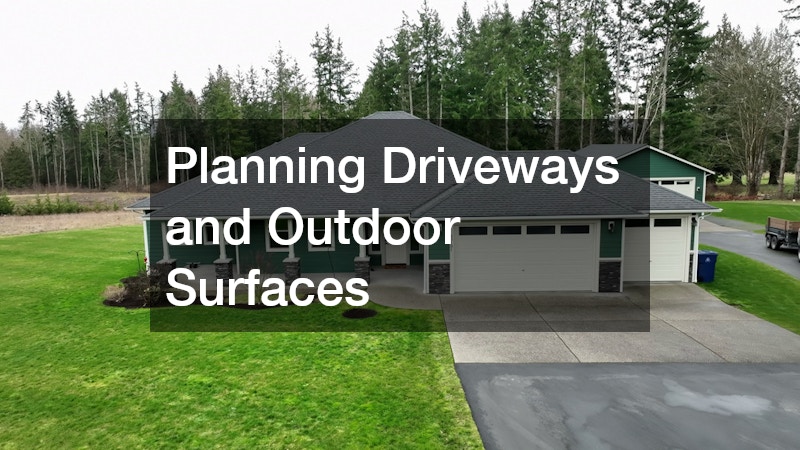
Outdoor hardscaping is often an afterthought in home planning, yet driveways, walkways, and patios take significant abuse from weather and daily use. When comparing asphalt paving companies, ask about base preparation, since a poorly compacted base is the leading cause of early cracking and potholes. Quality asphalt work should include proper drainage slope so water does not pool near your foundation or garage entrance.
Climate also plays a role in material choice, as asphalt handles freeze-thaw cycles differently than concrete or pavers. Getting quotes from multiple paving companies and asking for examples of driveways installed at least five years ago gives you a realistic sense of long-term durability.
Keeping Your Garage Functional and Safe

The garage door is one of the most frequently used moving parts of any home, cycling open and closed an average of three to five times a day, yet it’s easy to overlook until something breaks. Routine garage door tune up service, including lubrication of rollers and hinges, spring tension checks, sensor alignment, and track inspection, keeps the system operating smoothly and prevents sudden failures. Most manufacturers recommend scheduling this service once or twice a year, with an additional check after extreme temperature swings that can affect metal springs and rubber seals.
Torsion springs in particular carry enormous tension and are rated for a limited number of cycles, typically around 10,000, so a professional can spot wear before a spring snaps unexpectedly. Sensor misalignment is another common culprit behind doors that reverse unexpectedly or refuse to close, and it’s often a quick fix during a routine visit rather than an emergency repair.
This upkeep is especially important if your garage connects directly to living space, since a malfunctioning door can affect home security and insulation. A door that no longer seals properly at the bottom can let in drafts, moisture, and pests, driving up energy costs and potentially damaging stored items. Building tune up service into your regular home maintenance schedule, alongside HVAC and plumbing checks, helps ensure this high-traffic entry point stays safe, efficient, and reliable for years to come.
Garage doors are one of the largest moving objects in your home, so small issues rarely stay small for long. When damage does occur, prompt garage door repairs and replacement protect your family from safety hazards like a door that will not close, off-track rollers, or a spring under dangerous tension that can snap and cause serious injury. Frayed cables, worn hinges, and a door that reverses unexpectedly are all signs that professional attention should not wait.
New construction and major renovations are also a good time to reconsider door insulation ratings and opener technology, since upgrades here improve both convenience and energy efficiency. An insulated door with an R-value of 12 or higher can noticeably reduce temperature swings in an attached garage, which matters if the space shares a wall with living areas. Pairing that with a modern opener featuring battery backup, rolling-code security, and smartphone connectivity adds another layer of safety and peace of mind.
Finally, factor in routine maintenance during your planning phase rather than treating it as an afterthought. Annual inspections of springs, cables, and weatherstripping catch small problems before they become costly emergencies, keeping your garage both functional and secure for years to come.
- Test auto-reverse safety features every few months by placing a wood block or roll of paper towels in the door’s path; it should reverse immediately on contact
- Listen for grinding, scraping, or rattling noises during operation, which often signal worn rollers, loose hardware, or a failing opener motor
- Replace worn weatherstripping to reduce drafts, pests, and moisture intrusion; most seals last 5-10 years depending on climate
- Lubricate springs, hinges, and rollers with silicone-based spray twice a year to keep the door running smoothly
- Consider a smart opener if remote monitoring matters to you, especially models with smartphone alerts and battery backup for power outages
Making Smart Choices for Heating and Cooling
Comfort and efficiency go hand in hand, and the mechanical systems you choose will affect your utility bills for decades. Many homeowners building or renovating today are choosing heat pump installation because it provides both heating and cooling from a single efficient system, reducing the need for separate furnace and air conditioning units. Heat pumps perform especially well in moderate climates and have improved significantly in cold-weather efficiency in recent years.
Sizing matters more than brand name when it comes to heating and cooling equipment, so insist on a proper load calculation rather than a rough estimate based on square footage alone. An oversized or undersized system wastes energy and shortens equipment lifespan regardless of how advanced the technology is.
- Ask for a Manual J load calculation before installation
- Compare efficiency ratings across at least three brands
- Factor in duct condition, not just the equipment itself
- Ask about available rebates for energy efficient upgrades
Coordinating Timelines and Avoiding Delays
Even the best laid plans run into scheduling conflicts when multiple trades need access to the same space at different stages of construction. Successful projects rely on a master schedule that accounts for inspection windows, material delivery times, and weather-dependent work like paving or roofing. Building in buffer time for each phase reduces the domino effect one delay can have on the rest of the project.
Regular check-ins with your contractor, whether weekly during active construction or biweekly during slower phases, keep everyone accountable and catch small issues before they grow. Ask for a written schedule at the start of the project so you have a clear reference point when discussing progress.
- Request updated timelines whenever major changes occur
- Confirm permit inspection dates in advance
- Ask how weather delays are typically handled in contracts
- Keep a shared project log for decisions and approvals
Building your dream home, whether from the ground up or through a thoughtful renovation, comes down to preparation and the right partnerships at every stage. Take the time to vet professionals, inspect critical systems like roofing and mechanical equipment, and plan for long-term maintenance from the very beginning. The homeowners who feel most satisfied with their finished home are almost always the ones who asked more questions before construction started, not after. Start by writing down your priorities and requesting quotes from qualified local professionals, and let that groundwork guide every decision that follows.